
A Legacy in Fabric
Conserving Joan Sutherland's performance costumes
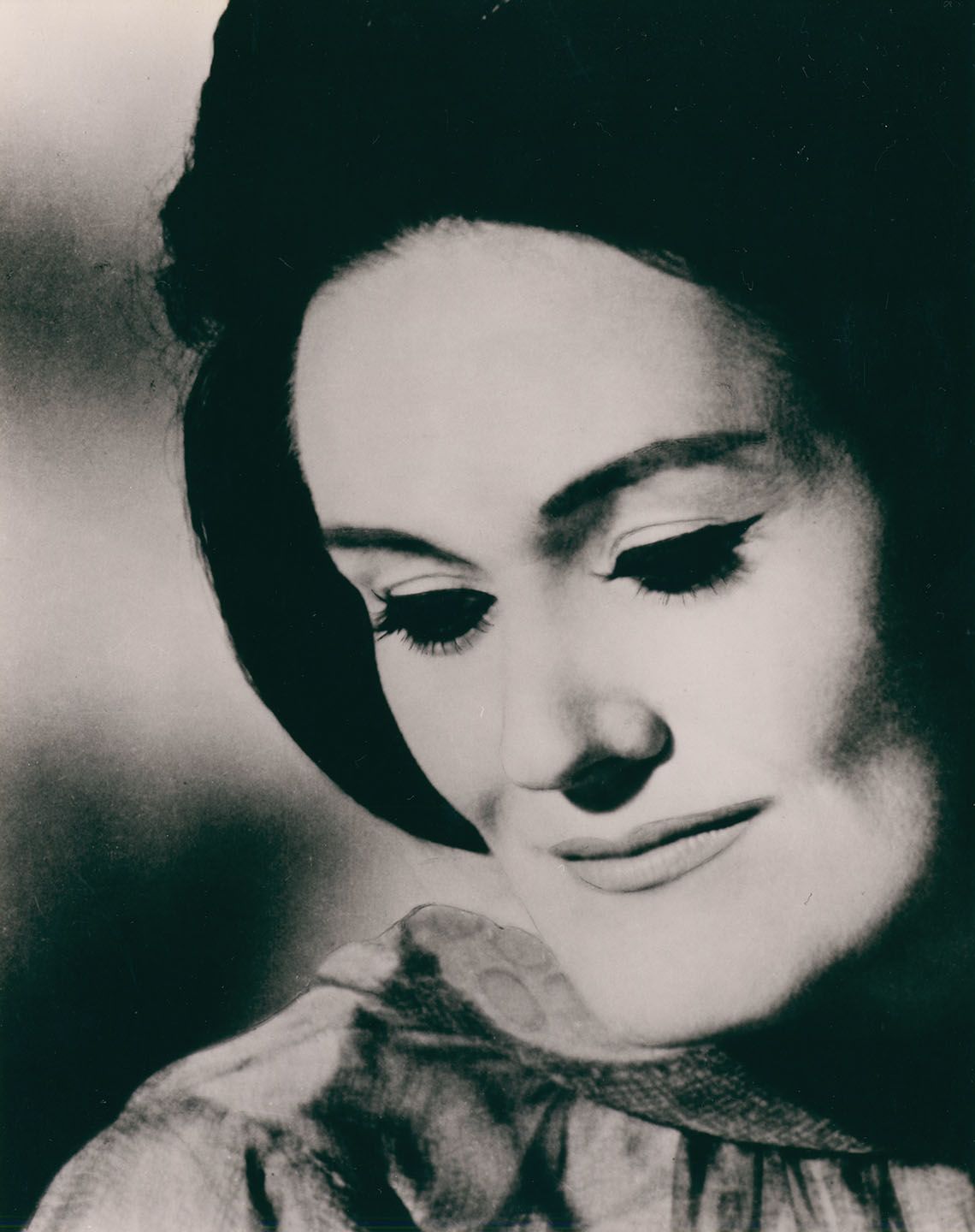


Dame Joan Sutherland (1926–2010) was one of the great operatic divas of her time. As a coloratura soprano, the remarkable beauty and range of her voice led to her being dubbed ‘La Stupenda’ (the stupendous one) by rapt Italian audiences. In partnership with her husband, Richard Bonynge, she revived the bel canto operatic repertoire, bringing back to prominence the works of composers such as Bellini and Donizetti.
In 2019, Opera Australia donated 30 of Joan Sutherland’s costumes to the Australian Performing Arts Collection (APAC). Extensive documentation of the donation resulted in the online exhibition Grand: Costumes from the Joan Sutherland Collection.
Professor Emeritus Barbara van Ernst AM, previously Head of Deakin University's School of Visual, Performing and Media Arts, Deputy Vice Chancellor, Swinburne University, and a member and supporter of Arts Centre Melbourne, became interested in APAC after seeing Grand. She generously offered to support the conservation of three costumes worn by Joan Sutherland during the 1970s. These were unable to be dressed on a mannequin for display or photography due to their fragility.
La Traviata (1979)

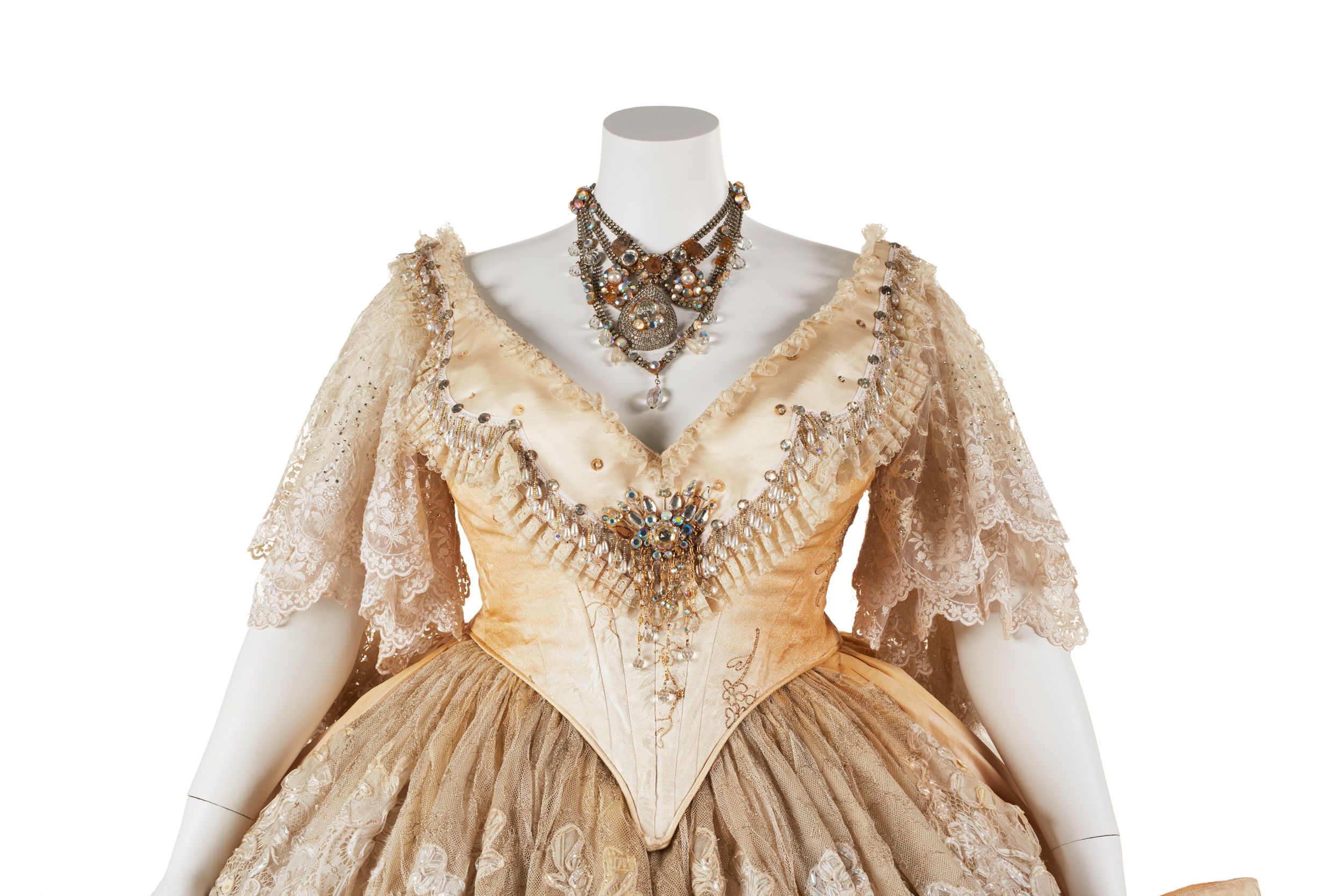

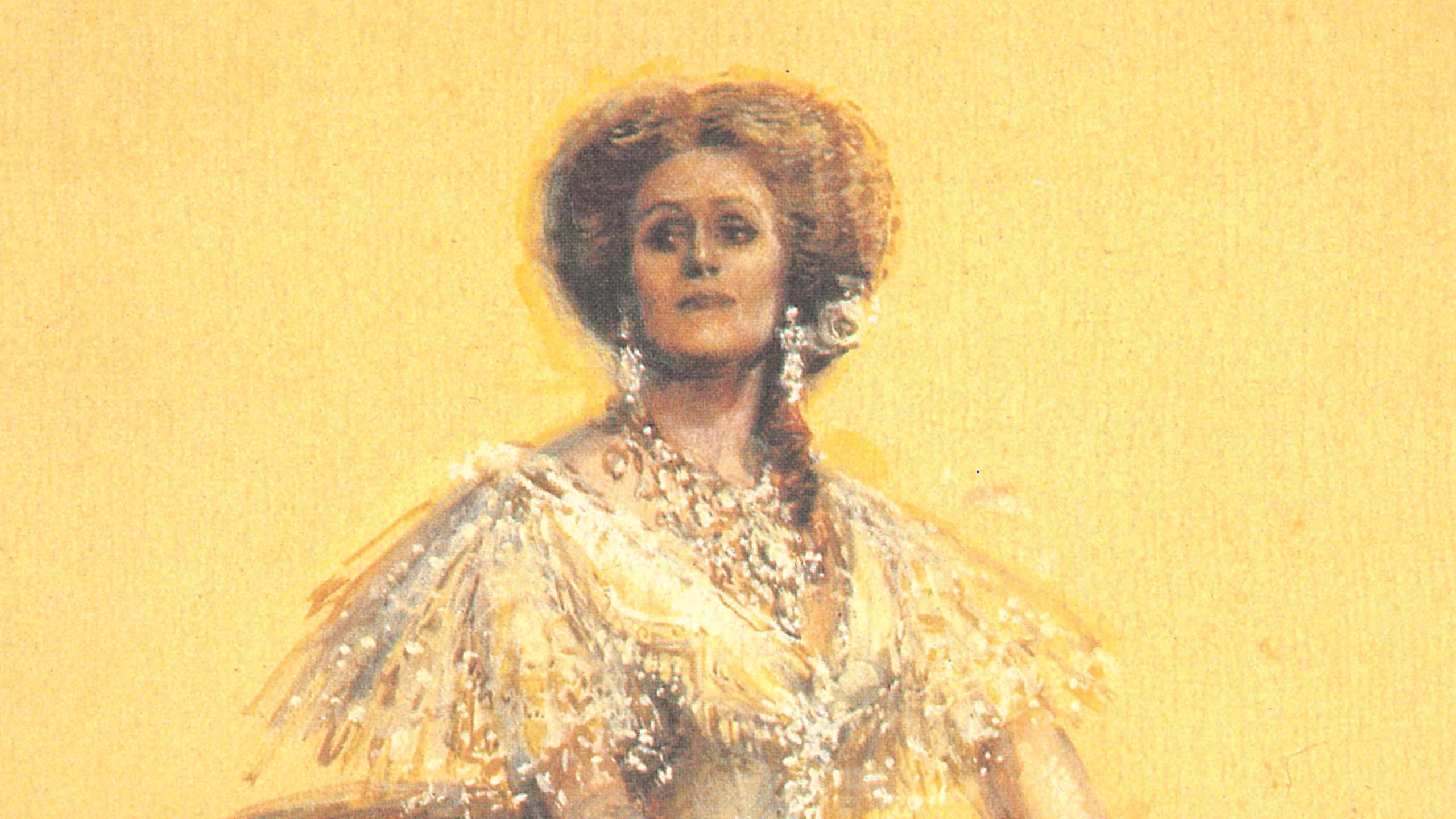

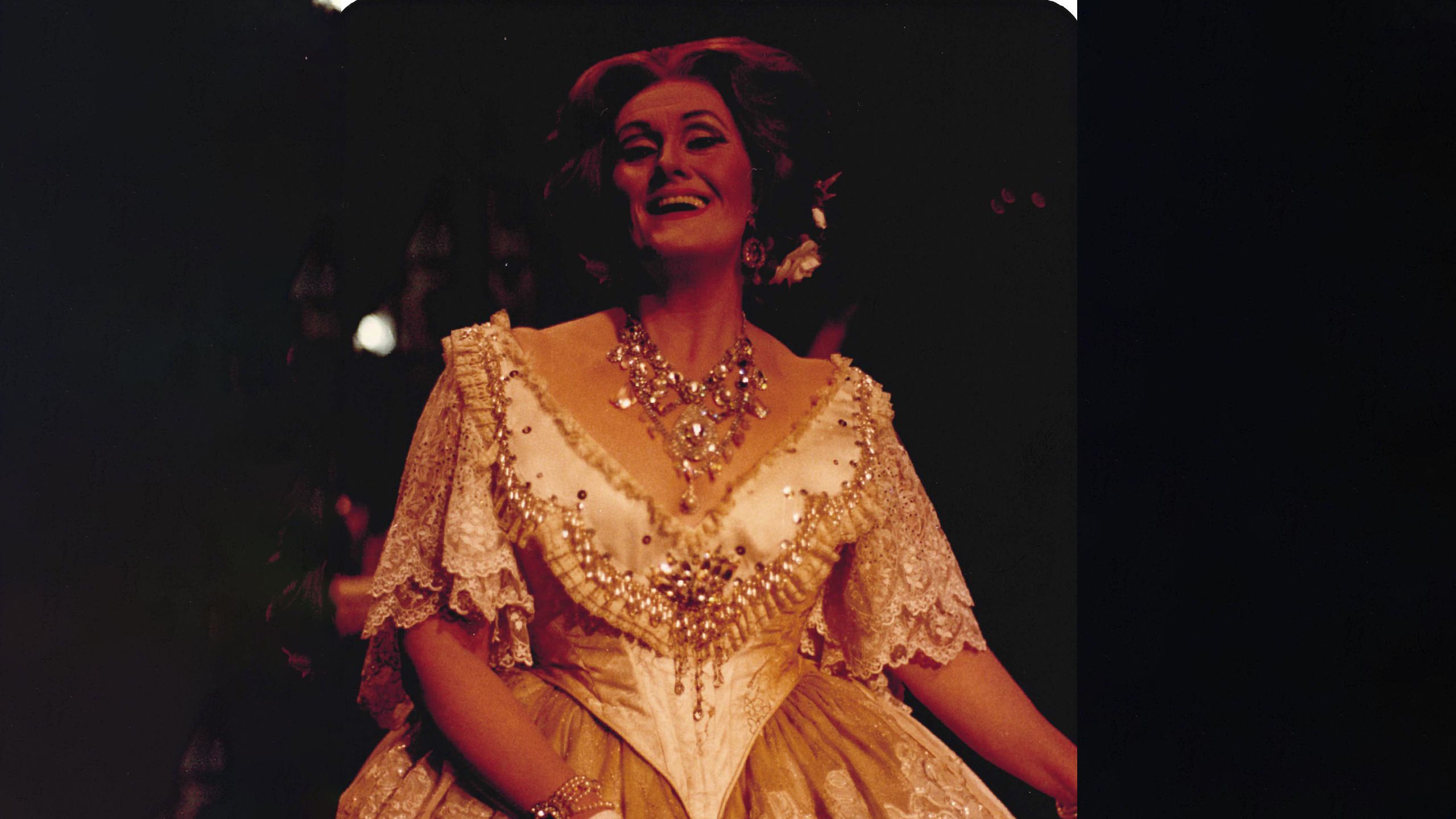

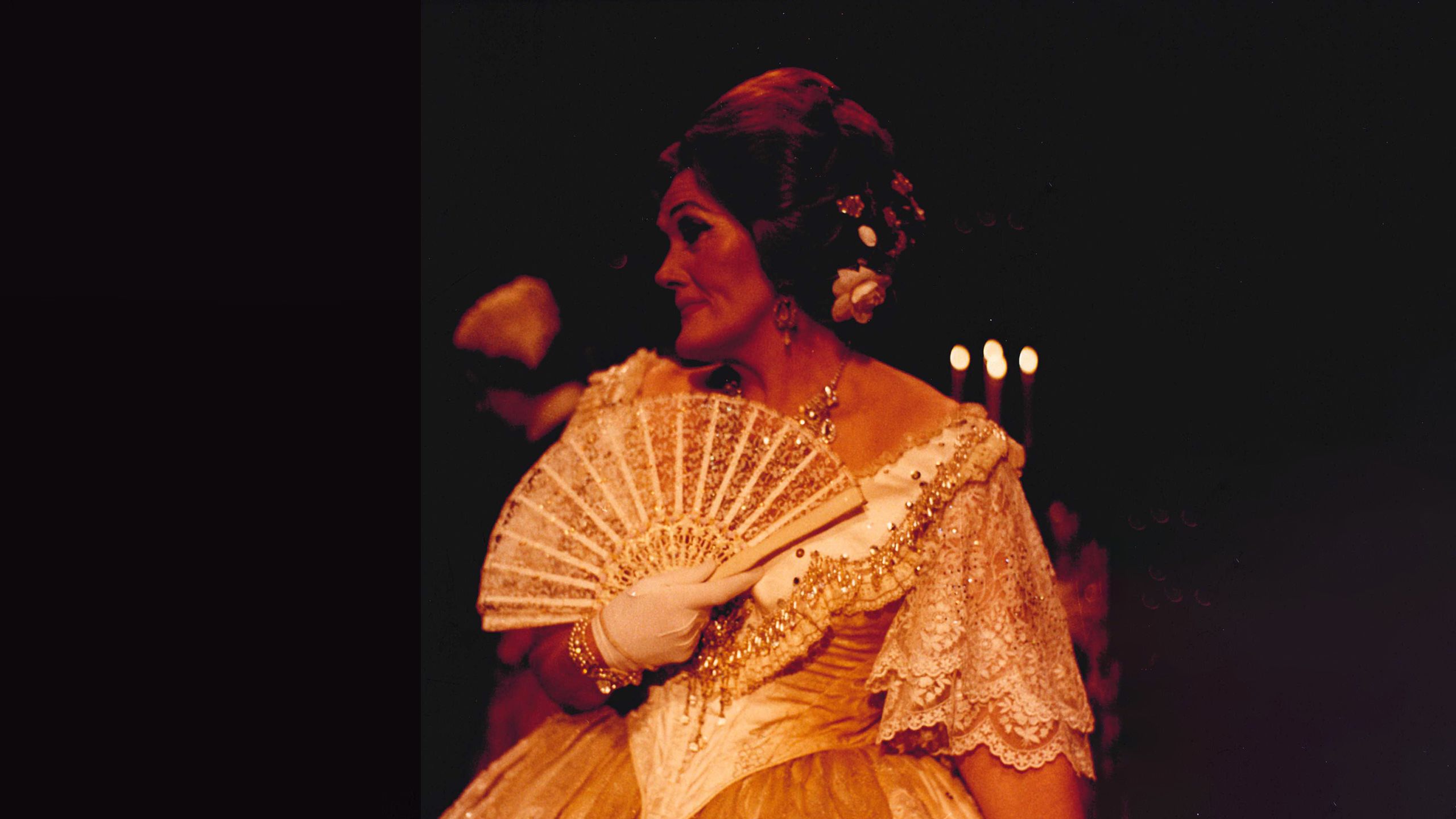
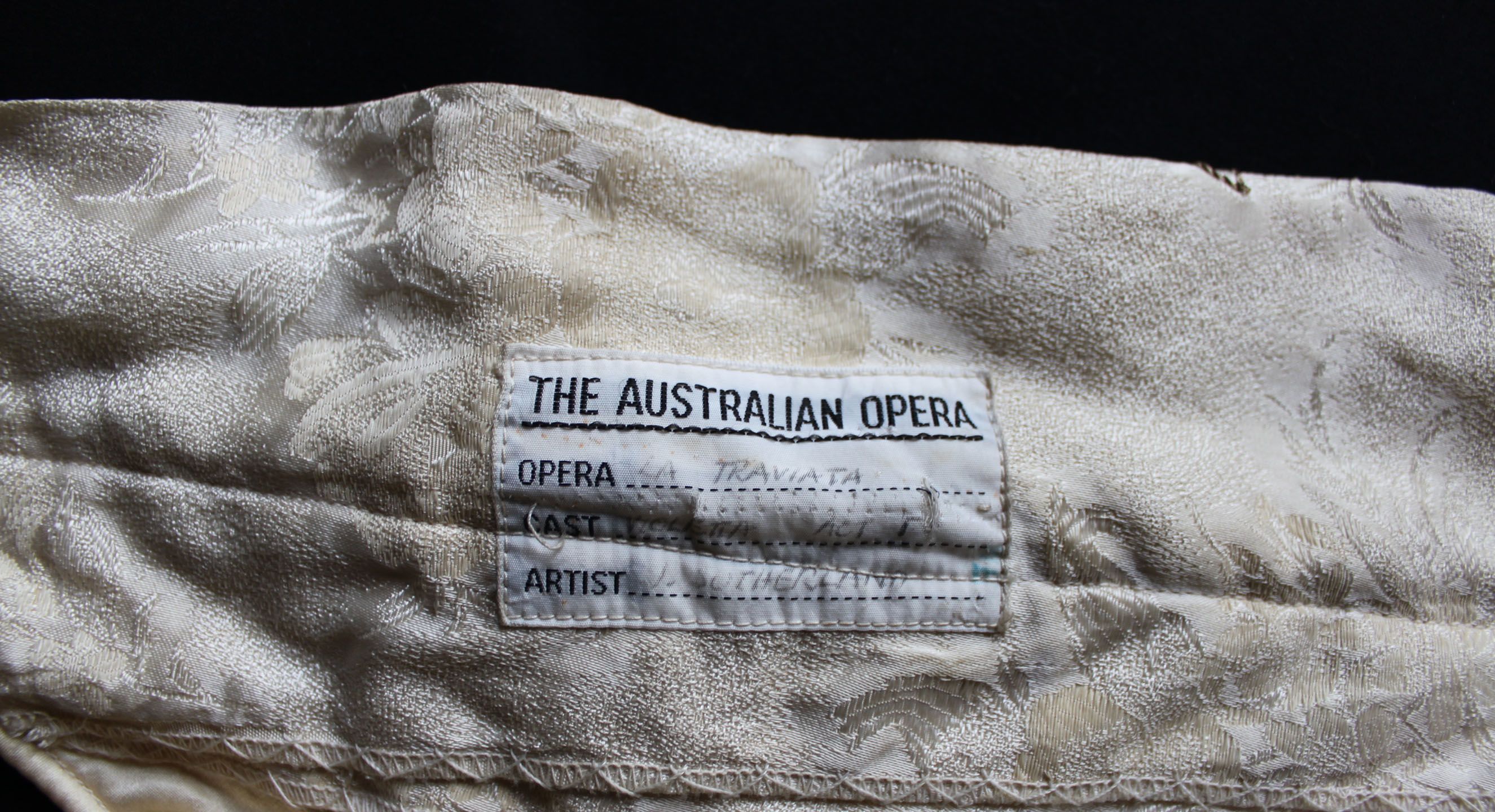
The costume designer, Michael Stennett, was favoured by Sutherland and Bonynge for his meticulous research and attention to historical detail, as well as his ability to make Sutherland look her best on stage.
Joan Sutherland first performed in John Copley’s production of Verdi’s La Traviata for The Australian Opera at the Palais Theatre, St Kilda on 10 March 1979.
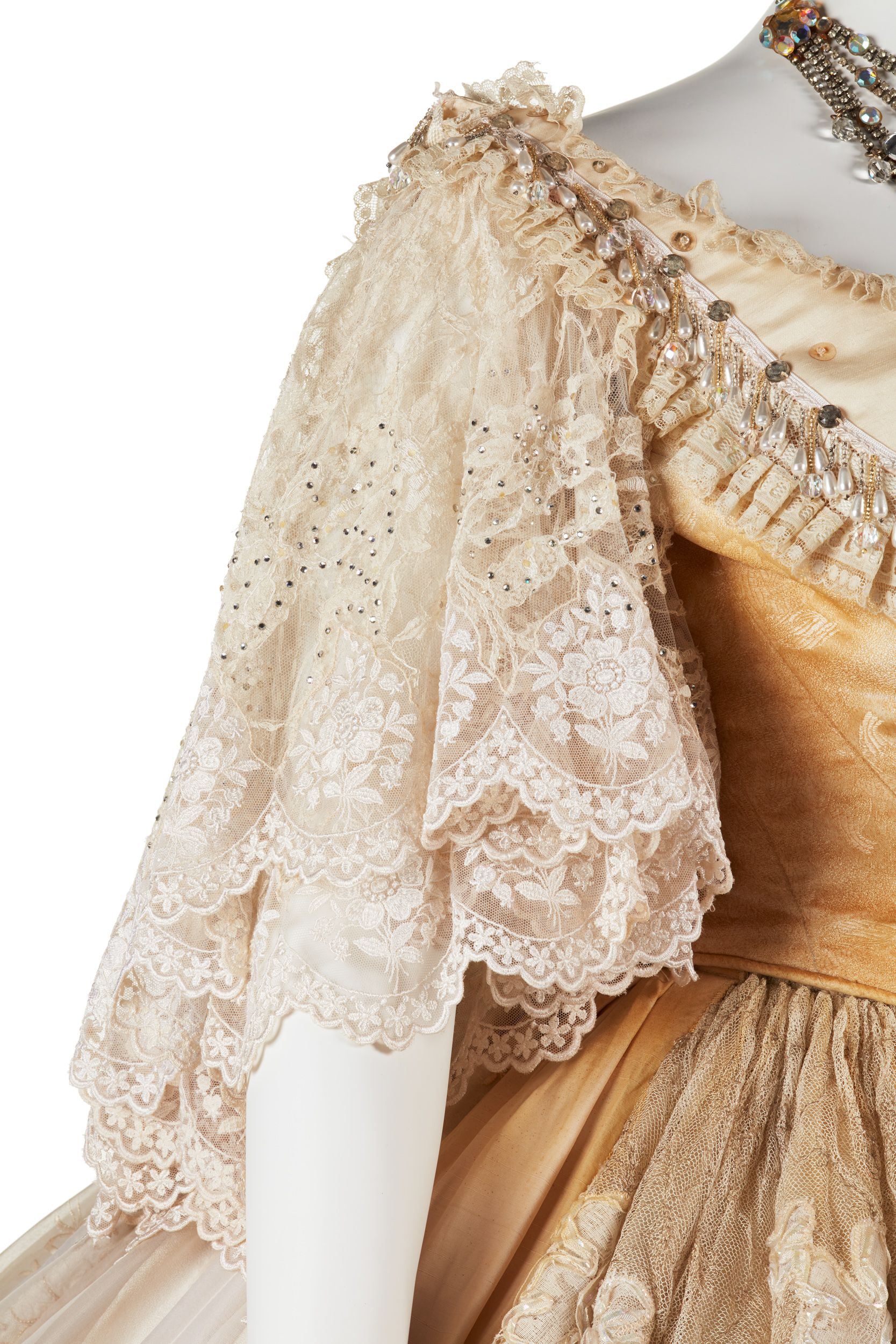
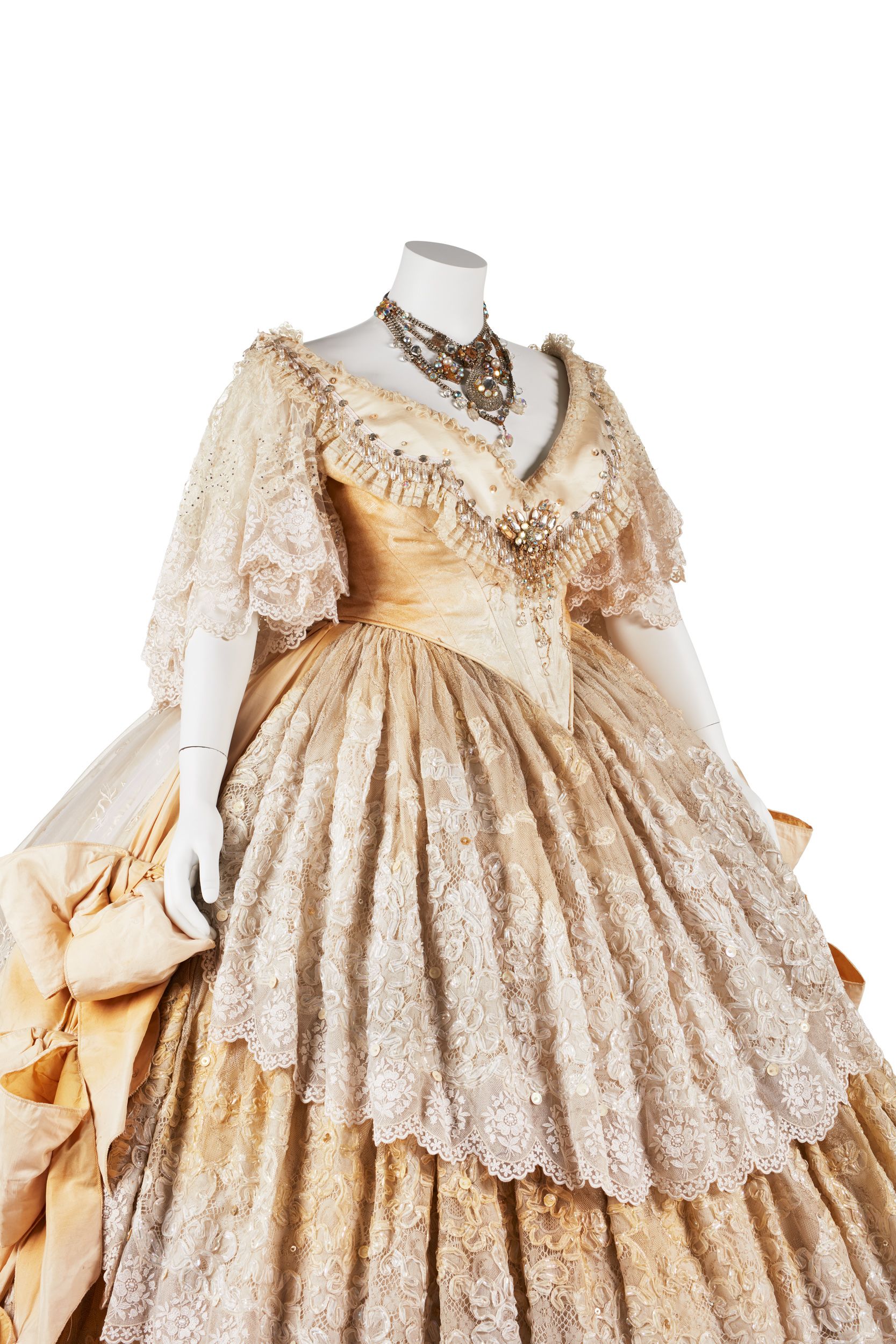
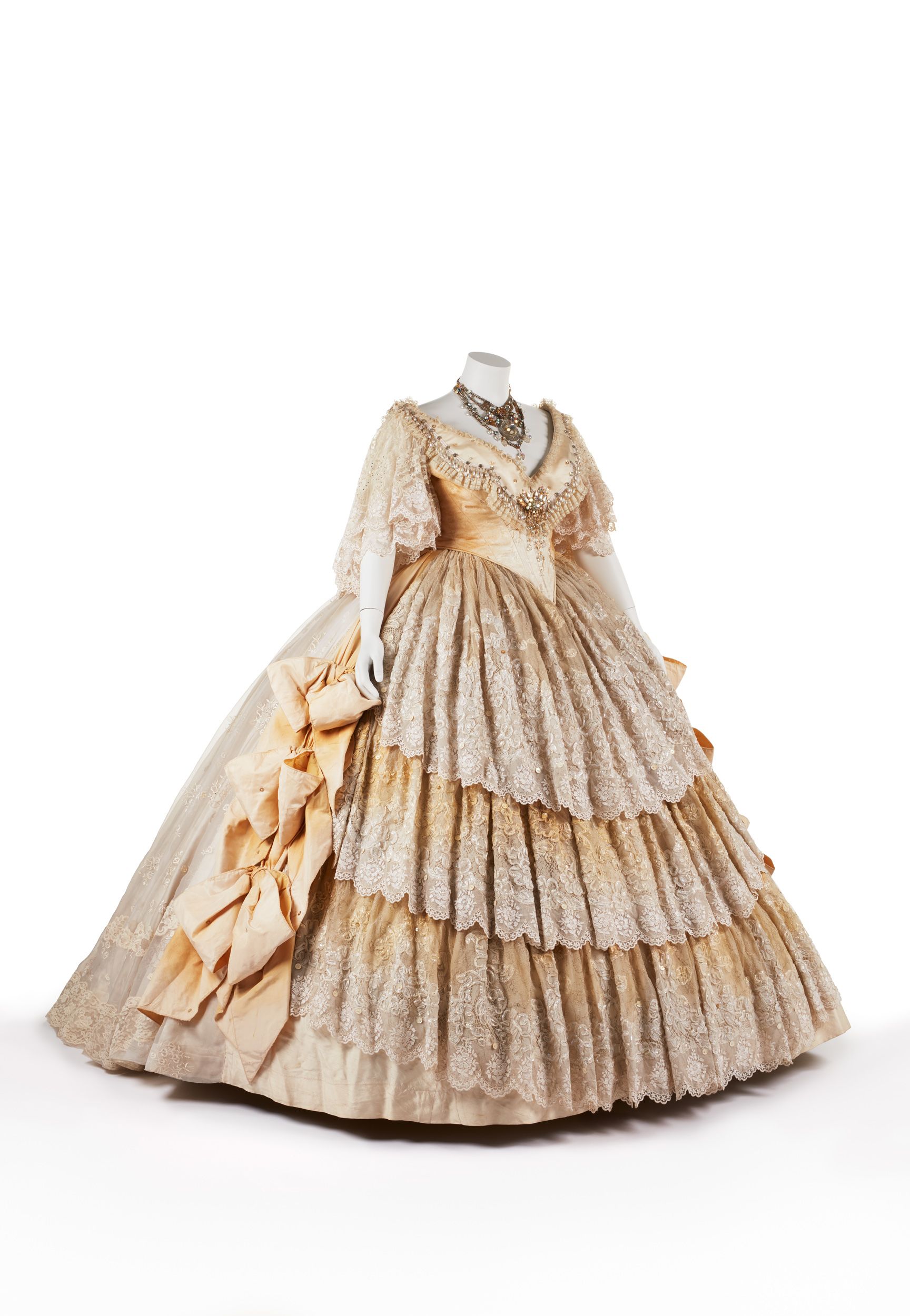
The costume Stennett designed for the role of Violetta, realised by renowned New York theatre costumier Barbara Matera, was the first to be selected for treatment.
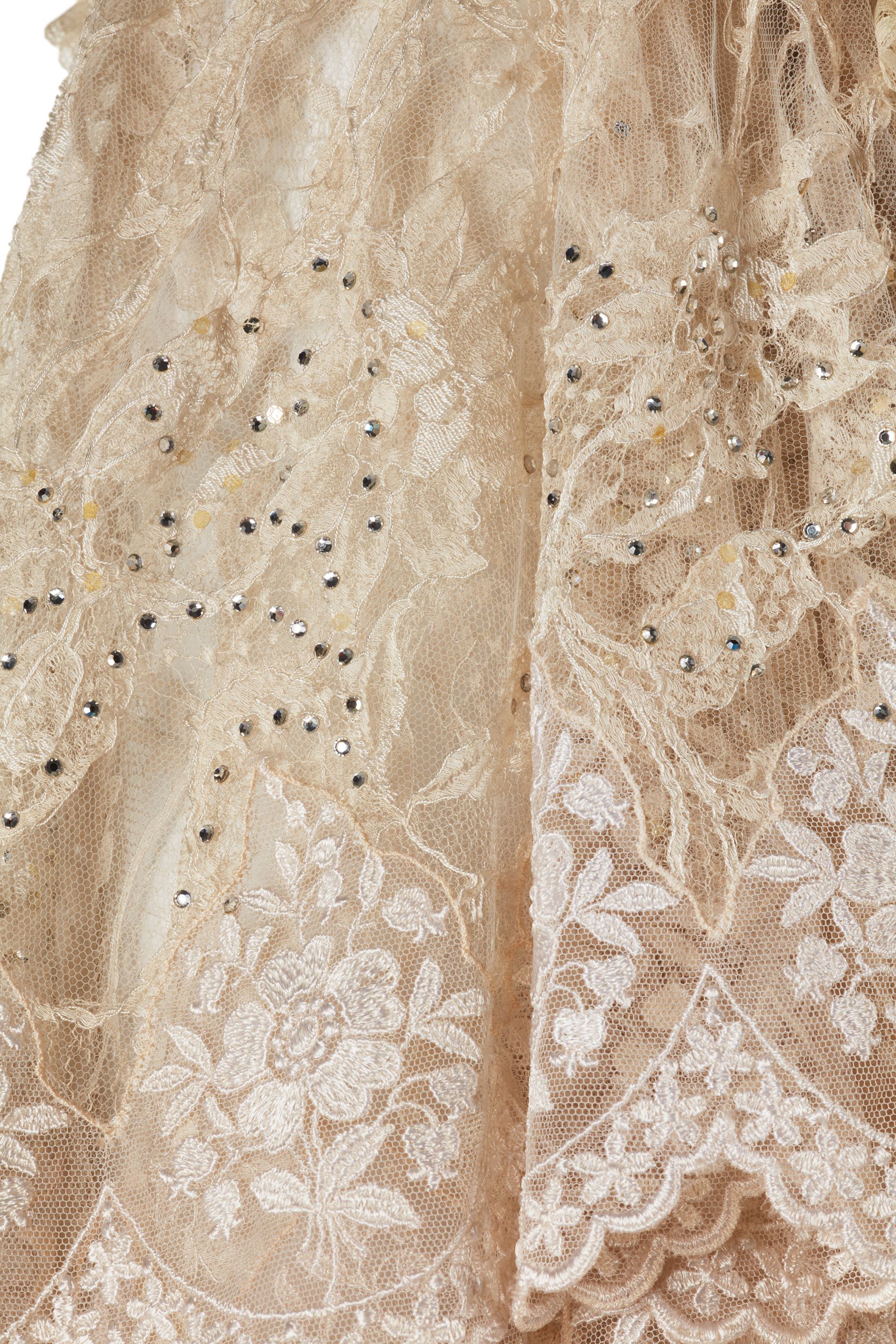
Although the costume was generally in good condition, the fragile layered lace sleeves had suffered extensive structural damage due to degradation of the fine silk bobbinet.

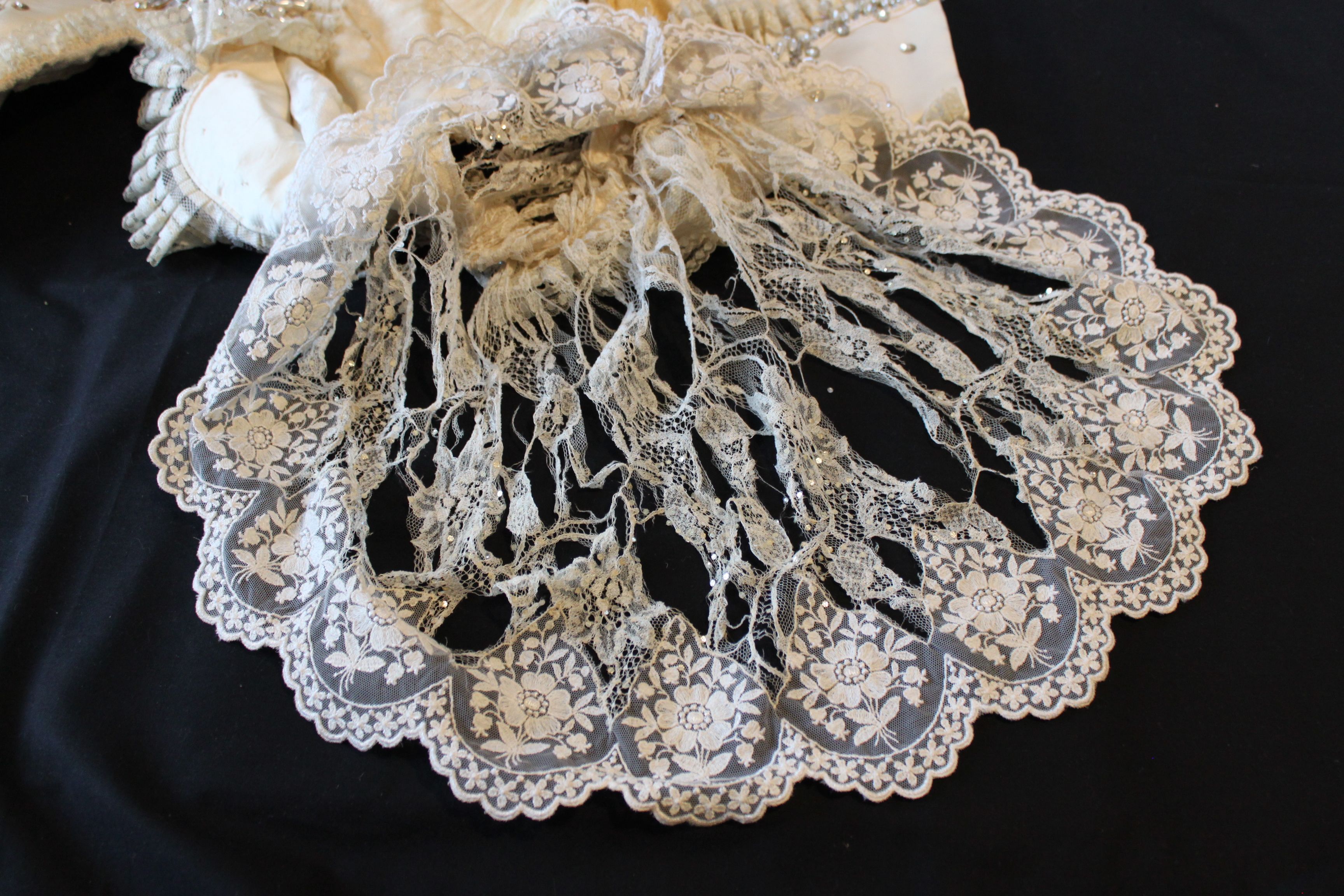

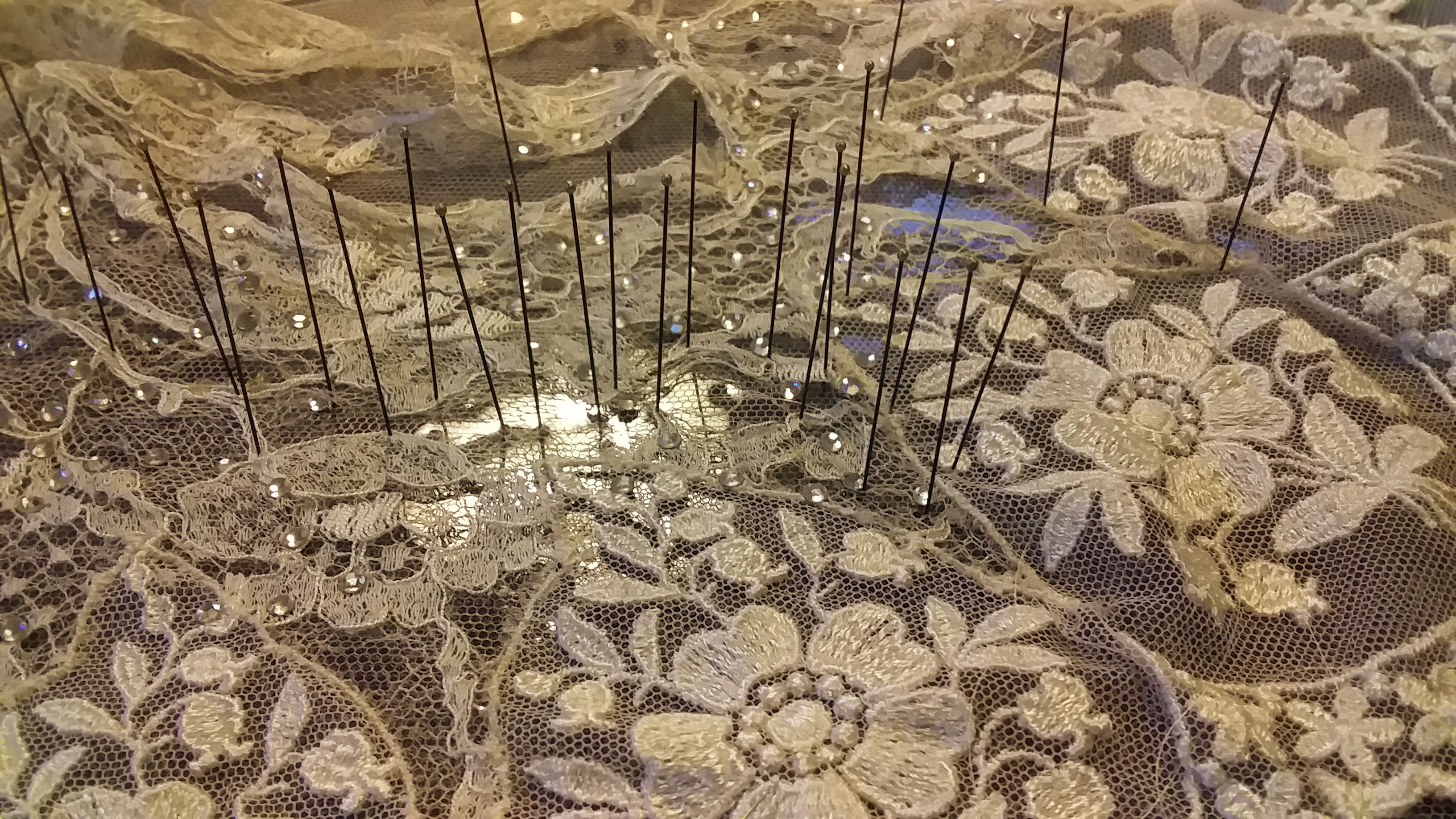
The expert conservation treatment by Marion Parker involved carefully realigning each layer of the shredded lace sleeves...
...and painstakingly stitching them to support layers of fine net.
Insect pins were used to position the lace during treatment.




The Internship

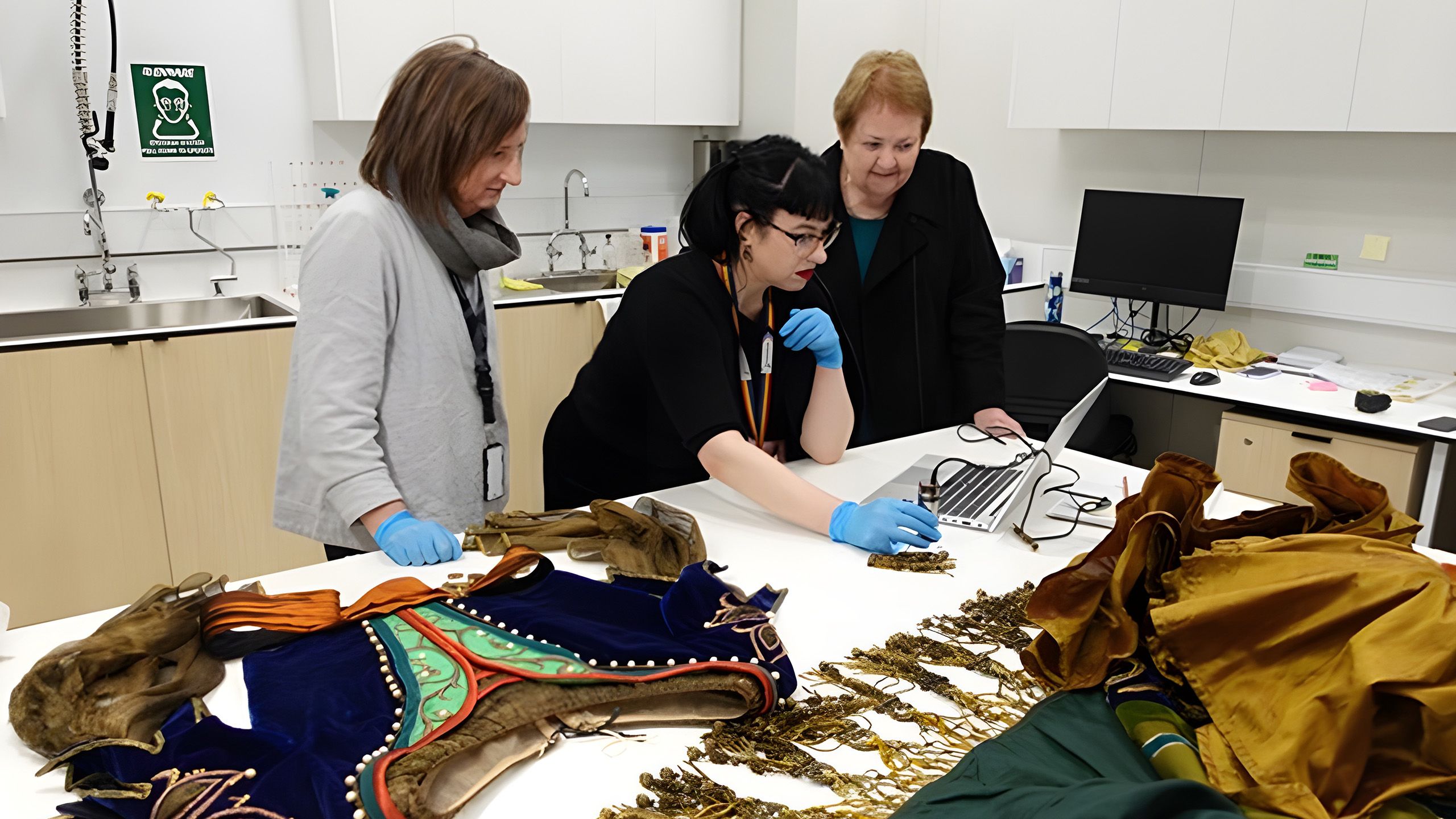
The remaining two Sutherland costumes were completed under the Barbara van Ernst Conservation Internship by recent graduates of cultural materials conservation programmes. Conceived to support early career conservators interested in pursuing a career in textile conservation, the funded internship offers practical skills development and experience working alongside APAC Senior Conservator Bronwyn Cosgrove.
"Even in courses that are very practical, it's never quite the same as getting out into the workforce, engaging with the people around you, working to deadlines and making industry contacts. And so we agreed that an intern would be a really interesting way to proceed."
Professor Emeritus Barbara van Ernst AM




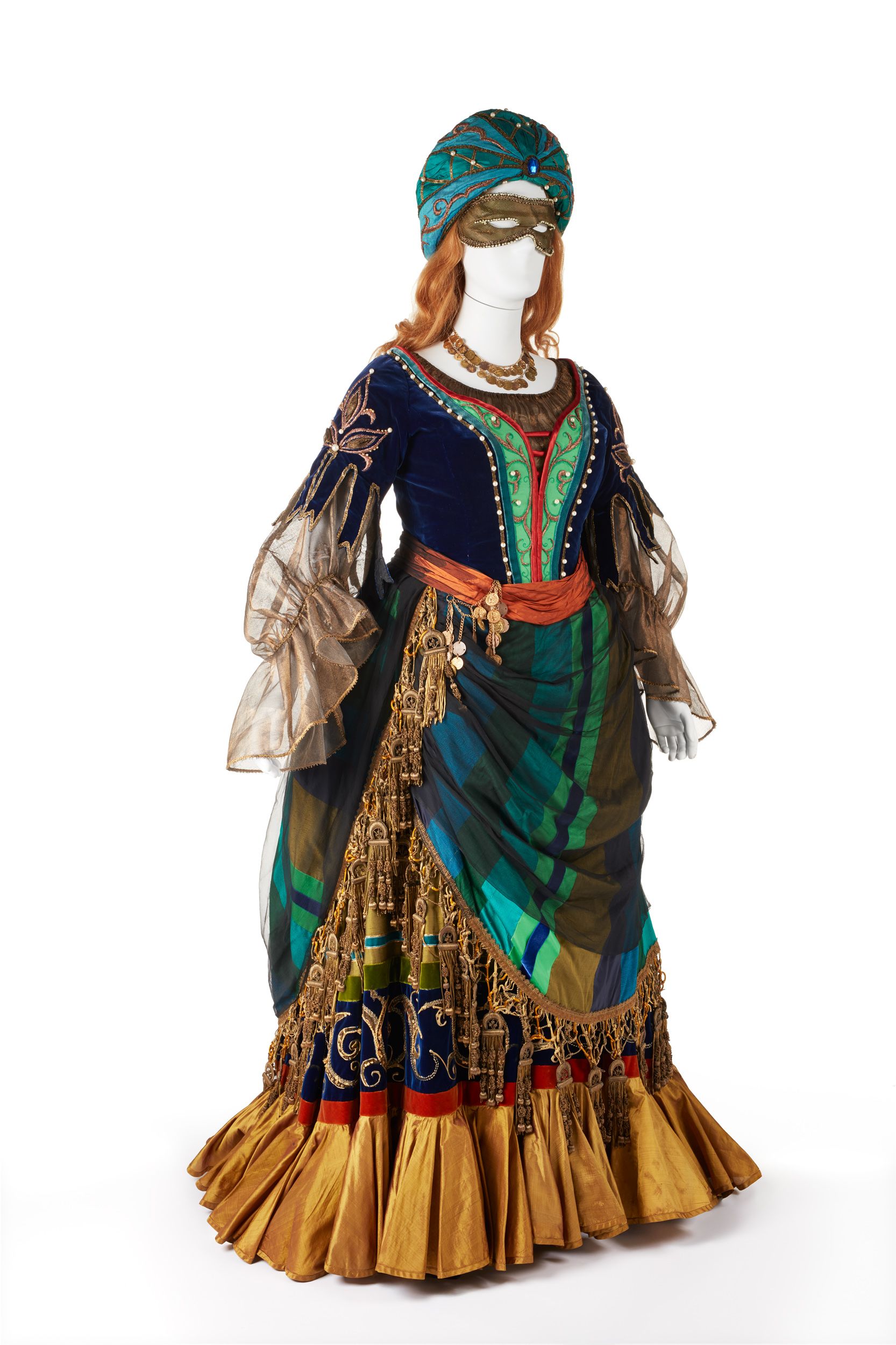
Lucrezia Borgia (1972)
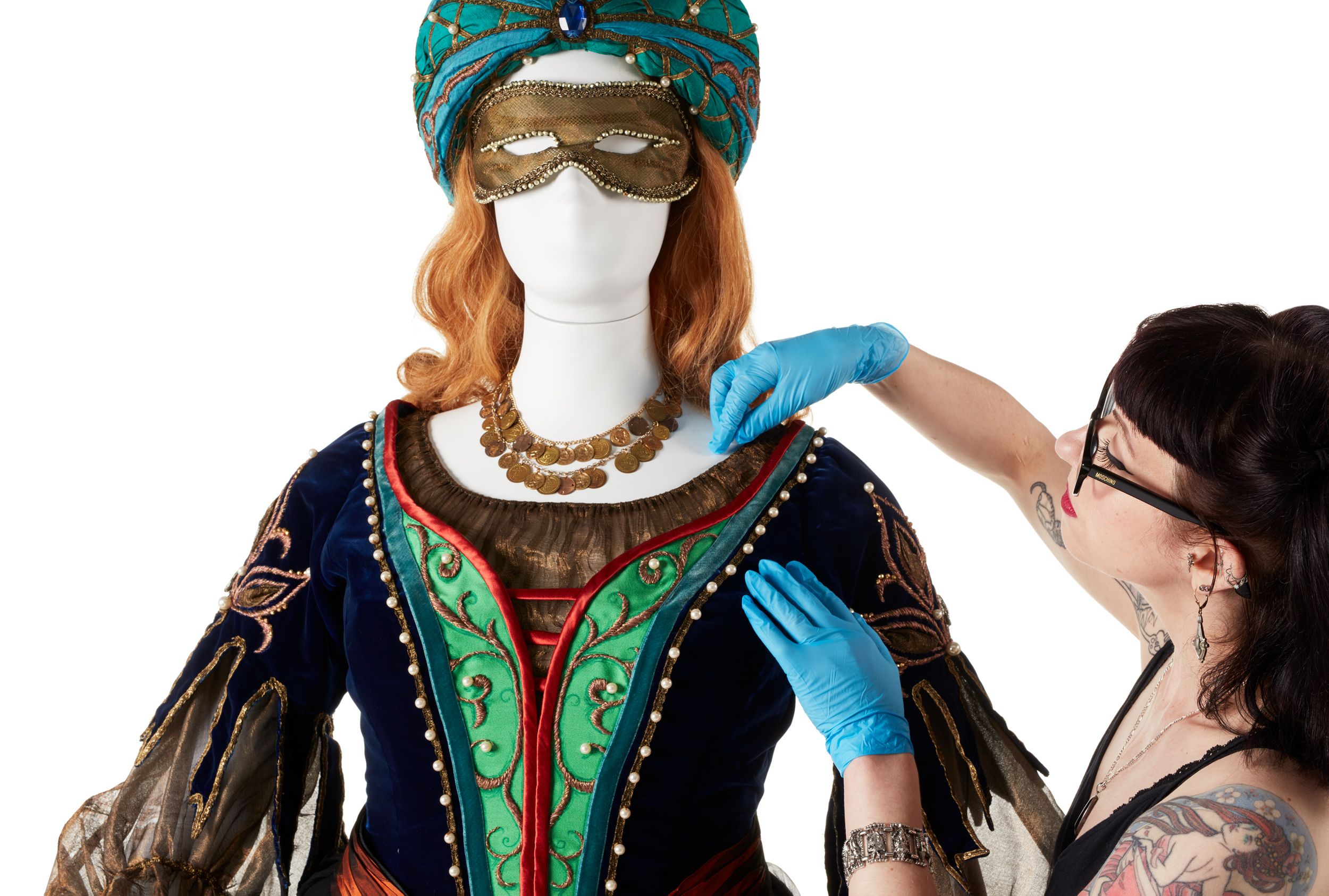
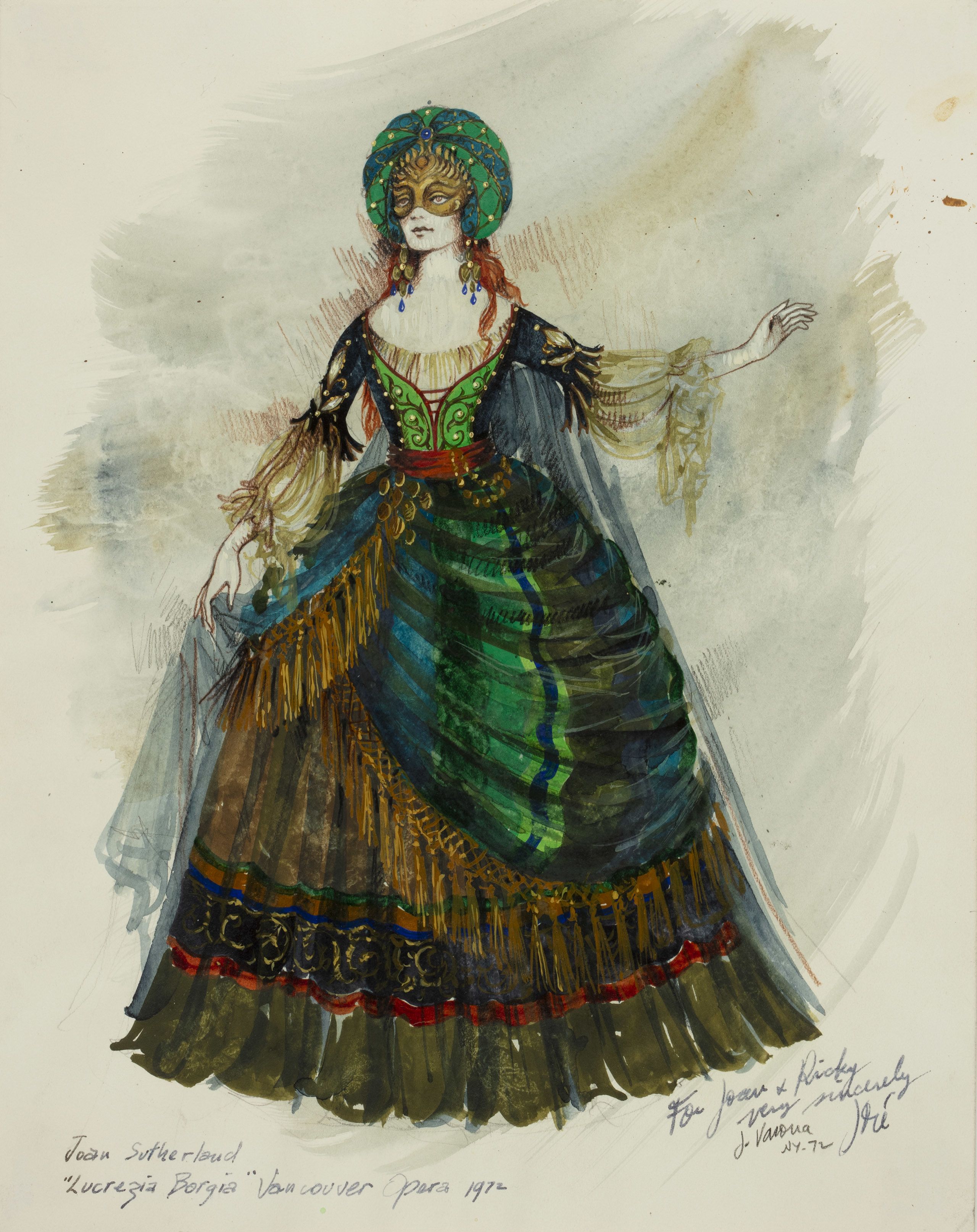
This costume was designed by Argentinian-born American-based designer José Varona, who also created costumes for performers including Margot Fonteyn and Rudolf Nureyev. Like most of Sutherland’s costumes before the 1980s, it was made by Barbara Matera.
Joan Sutherland wore the costume on 26 October 1972 for her first appearance with the Vancouver Opera. It was also her first performance as Lucrezia Borgia in Donizetti’s opera of the same name, which she and Richard Bonynge did much to revive and popularise.
The orchestra at the performance was conducted by Bonynge, who became Artistic Director of Vancouver Opera from 1974.
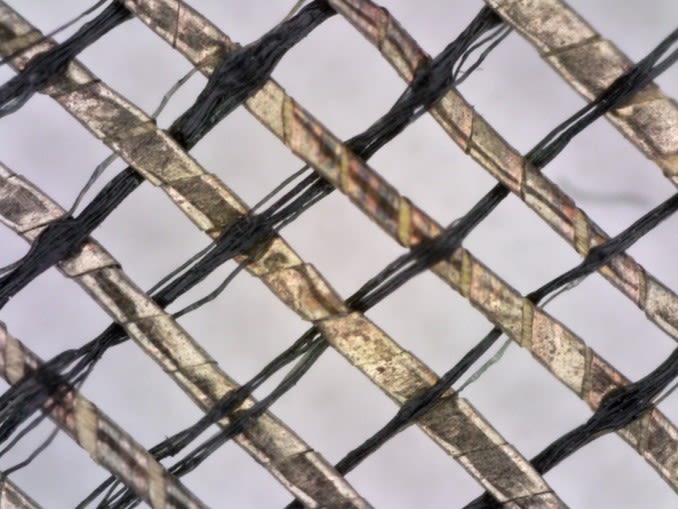
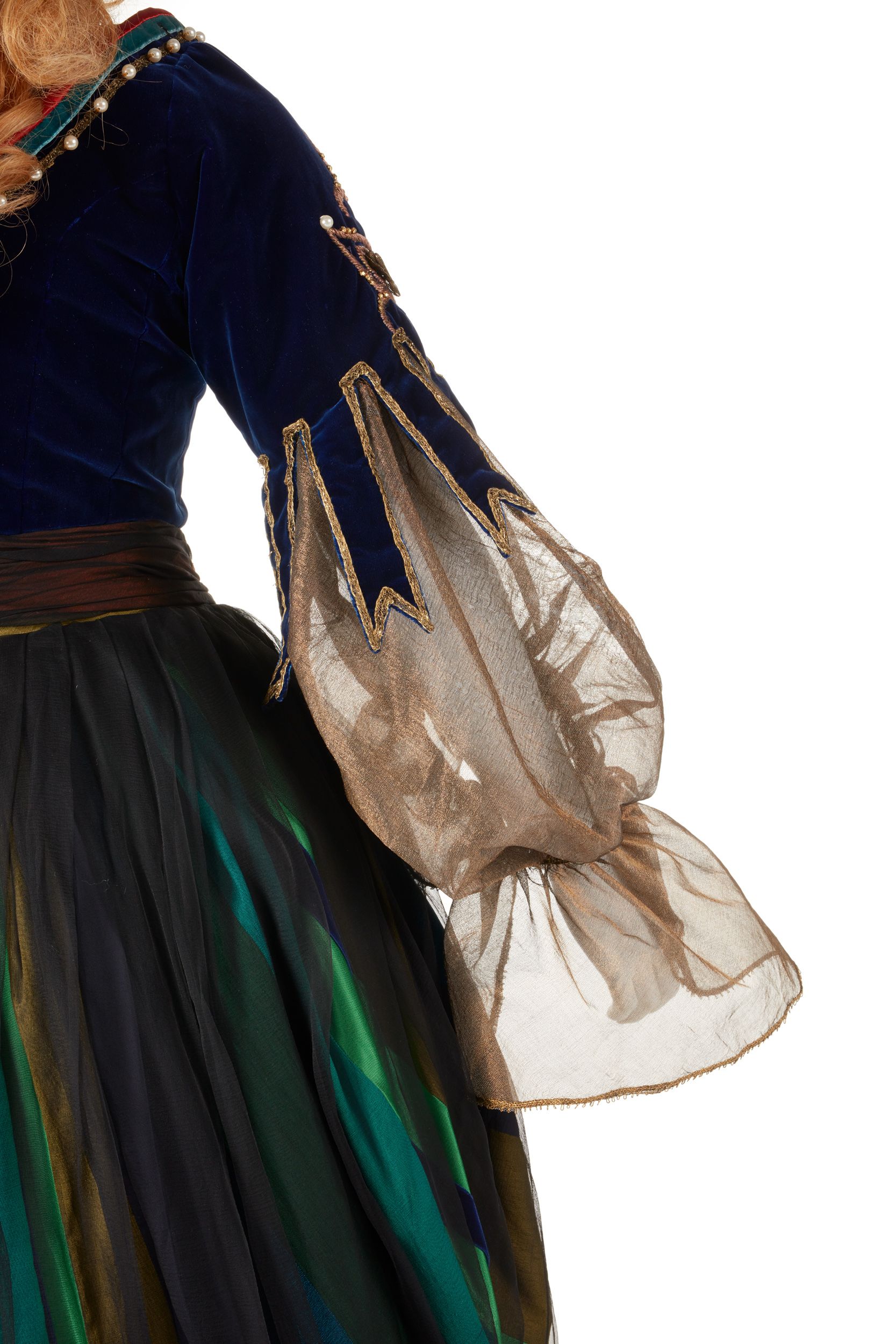
Gemma Ghoukassian, the inaugural Barbara van Ernst Conservation Intern, took on the challenging task of conserving the sleeves. These were made from a lamé fabric of black silk interwoven with gold metal threads, that was torn in several areas.

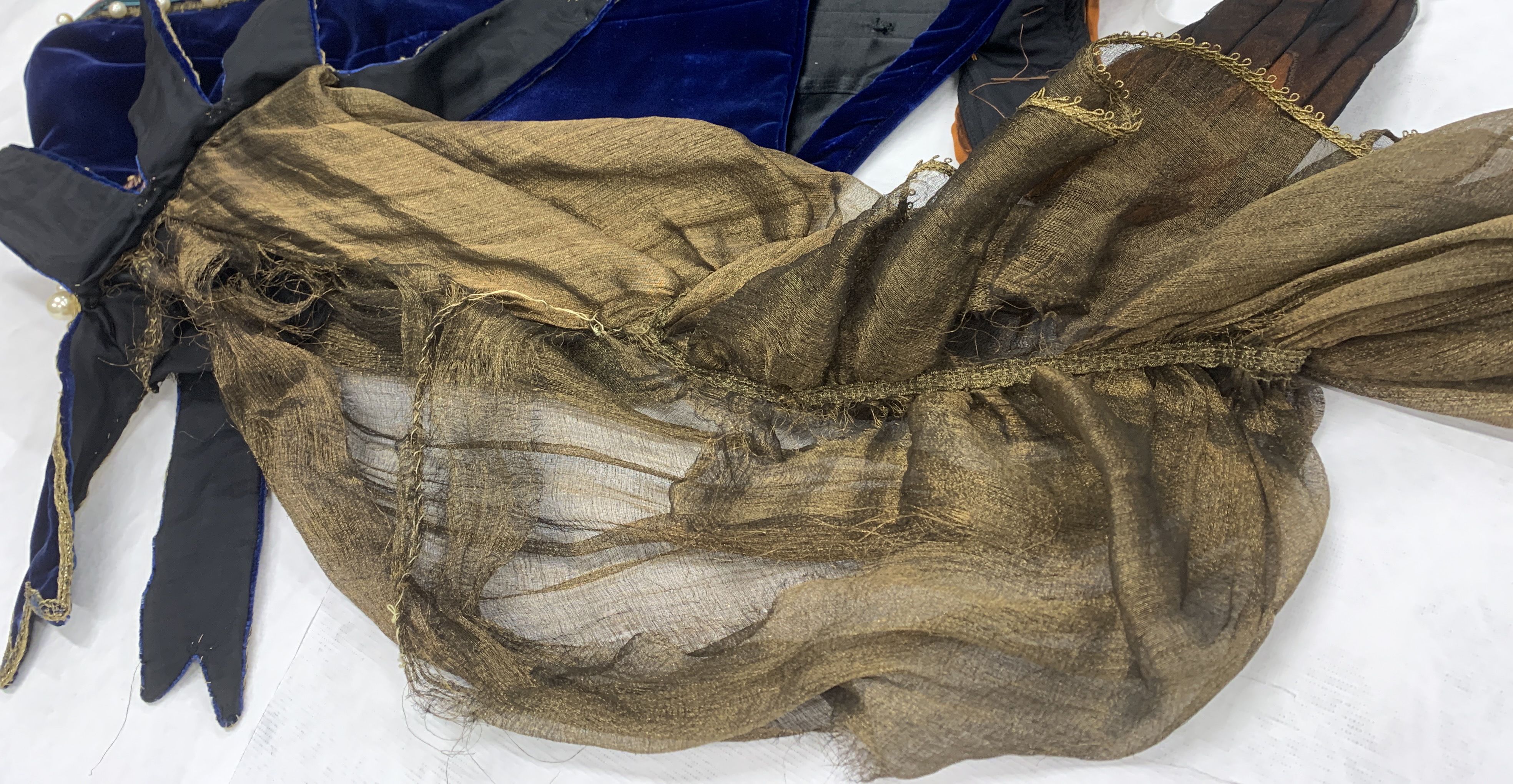
To stabilise the sleeves, it was necessary to remove them from the bodice. This was done by carefully clipping stitching threads and marking their locations with fine brightly-coloured guide threads, so that the costume could be reconstructed using original stitching lines.

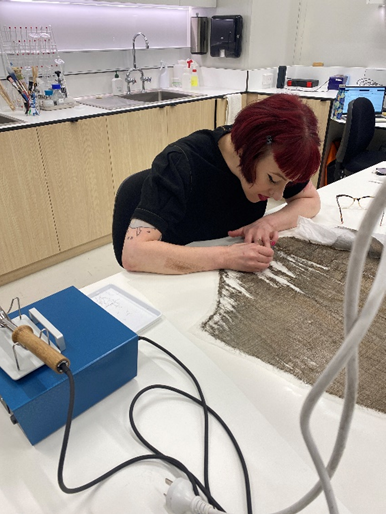
Once the sleeves were deconstructed, a secondary support lining was applied using ultrafine nylon bobbinet, coated with a dilute solution of archival grade adhesive. The support fabric was applied to the lamé sleeve fabric using a heated spatula at low temperature.

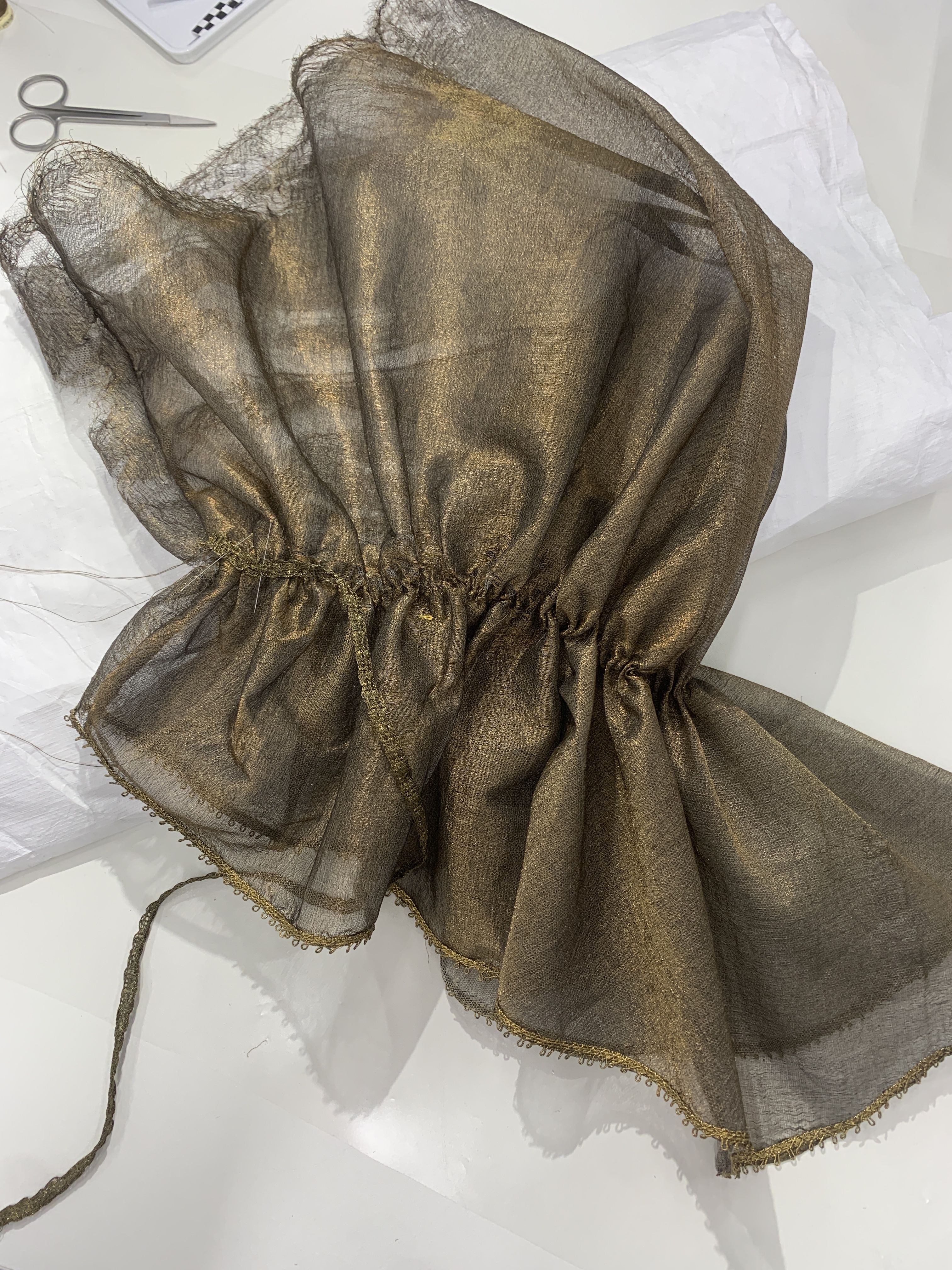

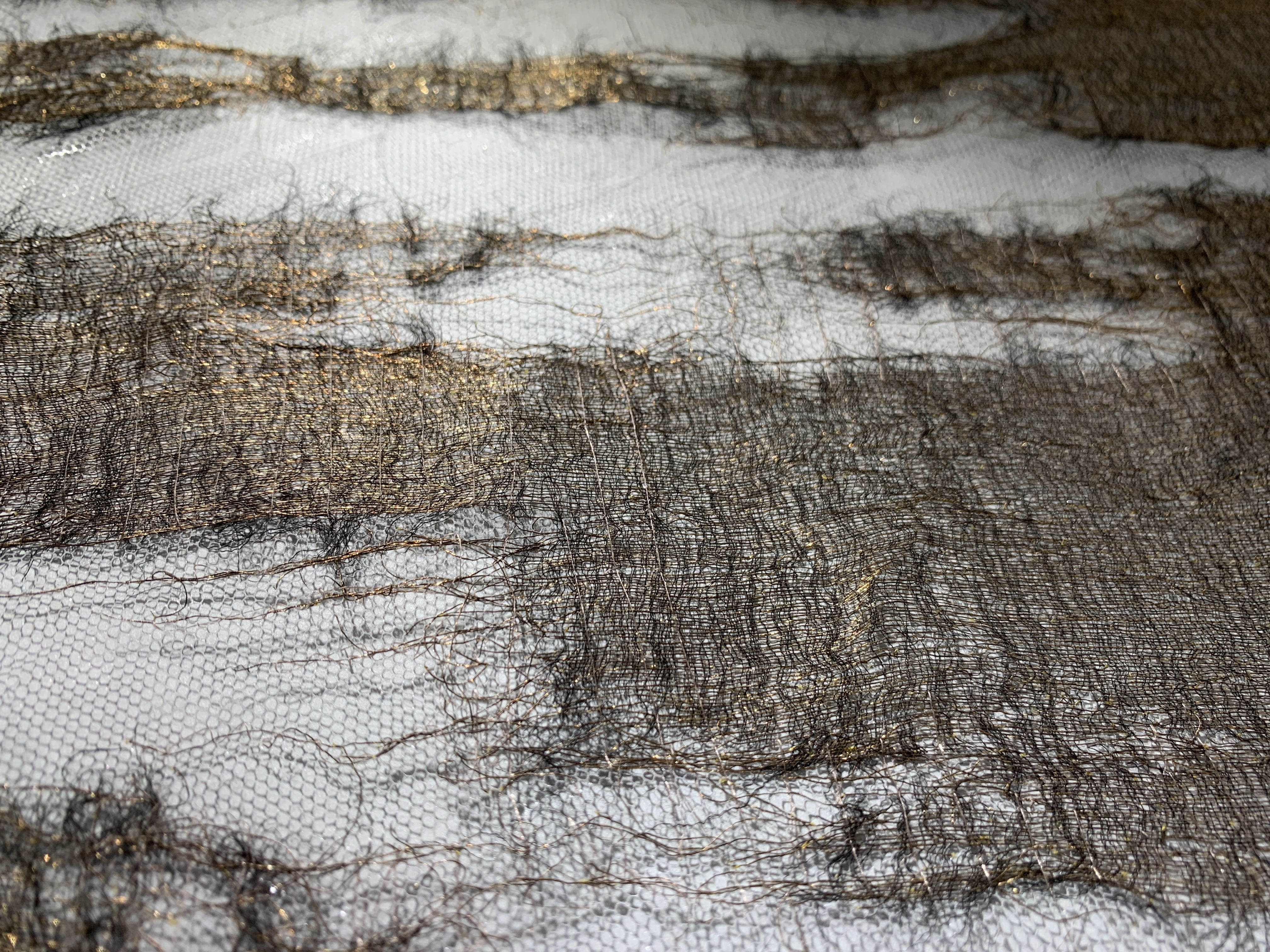


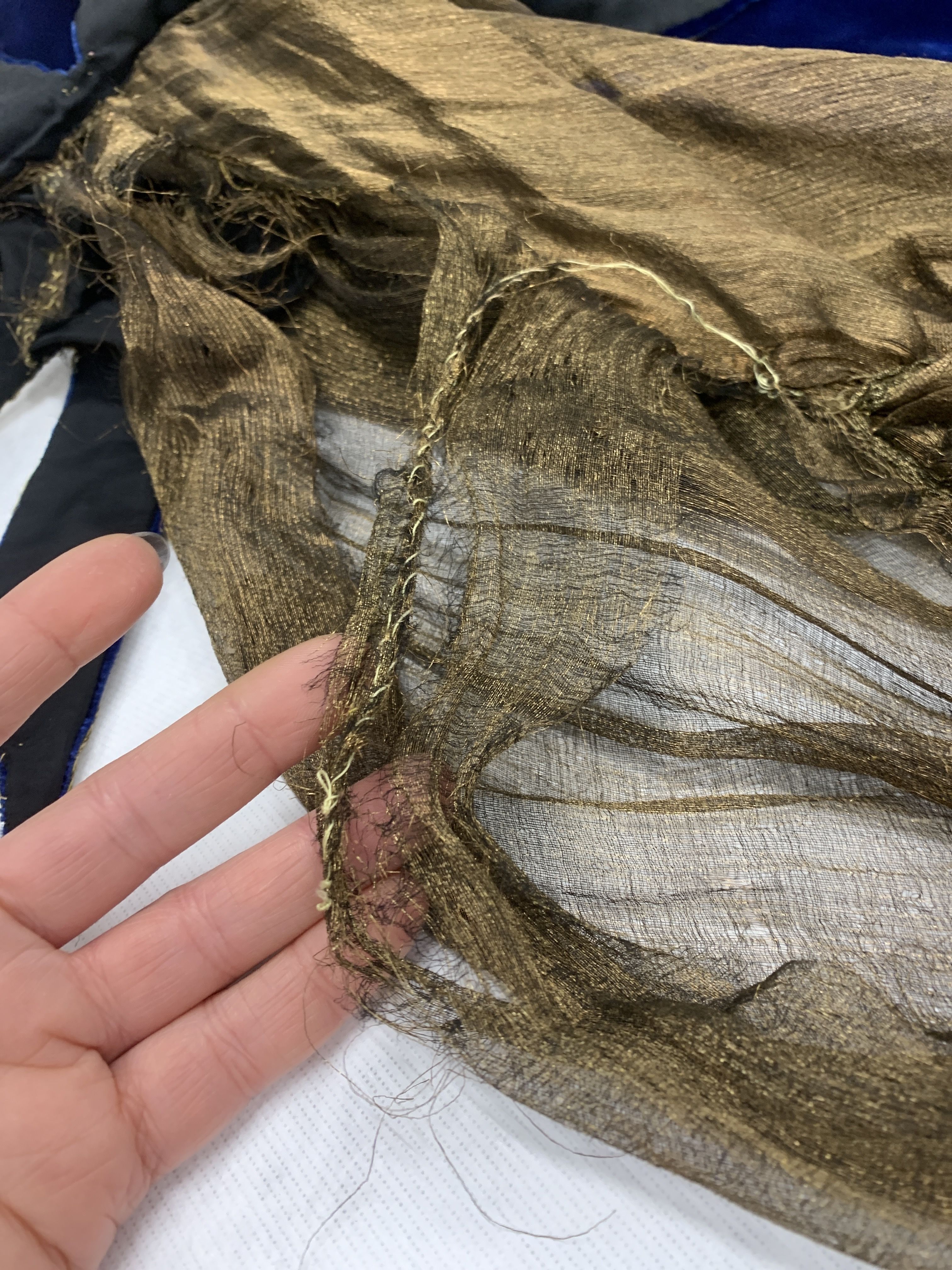
“The hours spent deconstructing, repairing, then reattaching the sleeves, and carefully couching the lamé, at times, seemed endless. [Couching is a type of stitch used by textile conservators]. Seeing up close the evidence of Dame Joan’s use of the costume – the various marks and stains from sweat, cosmetics, the dirt of the stage floor, the tears in the sleeves – evoked the image of a performer who used her body as much as her voice in articulating the role.
Throughout the treatment, I was constantly aware of how much trust was being placed in my skills and my good judgment. As an emerging conservator this was at times intimidating. But by the end of my internship, I had gone from being quietly envious of conservators who are lucky enough to do this work to becoming a conservator myself.”
Gemma Ghoukassian





The Merry Widow (1976)
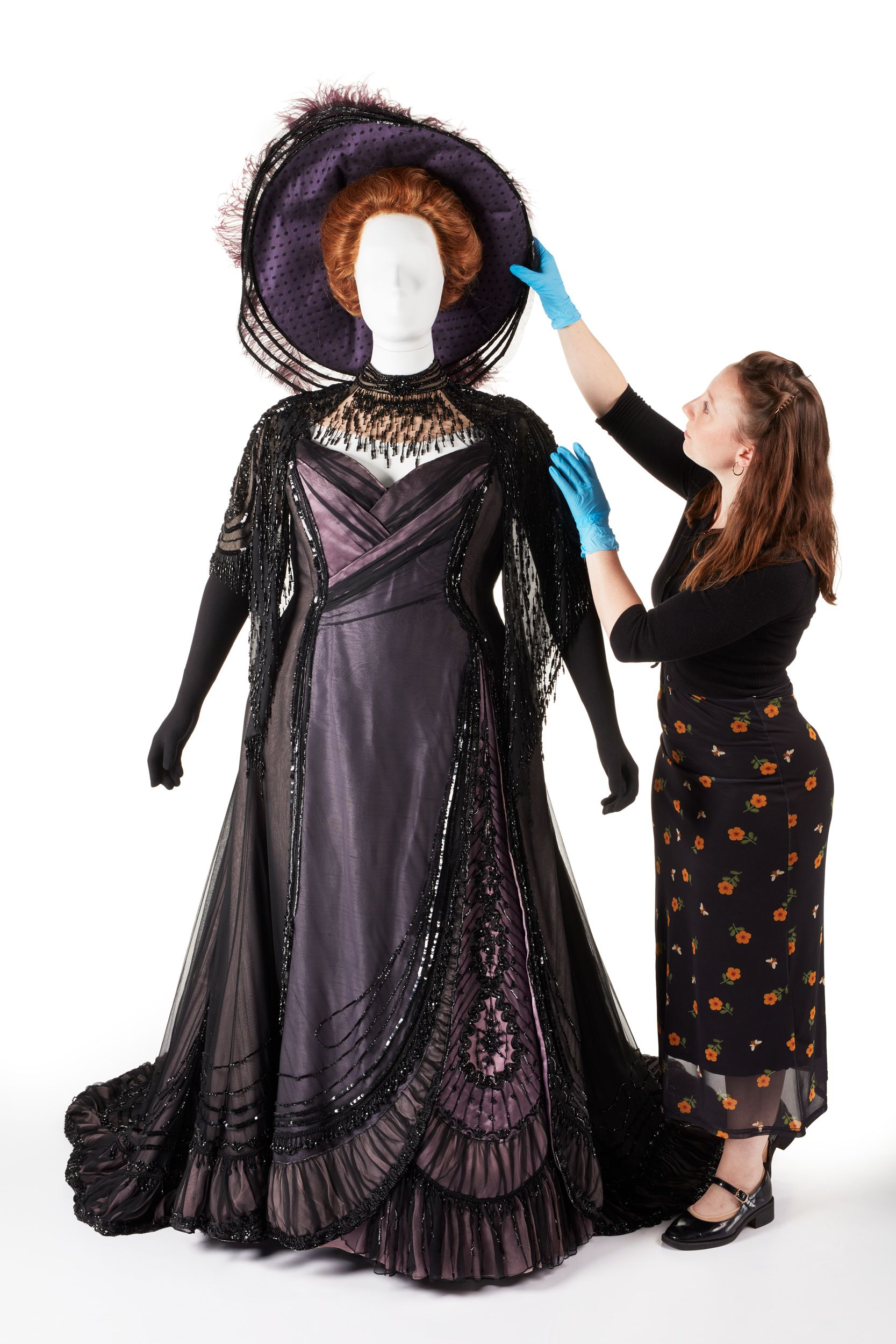
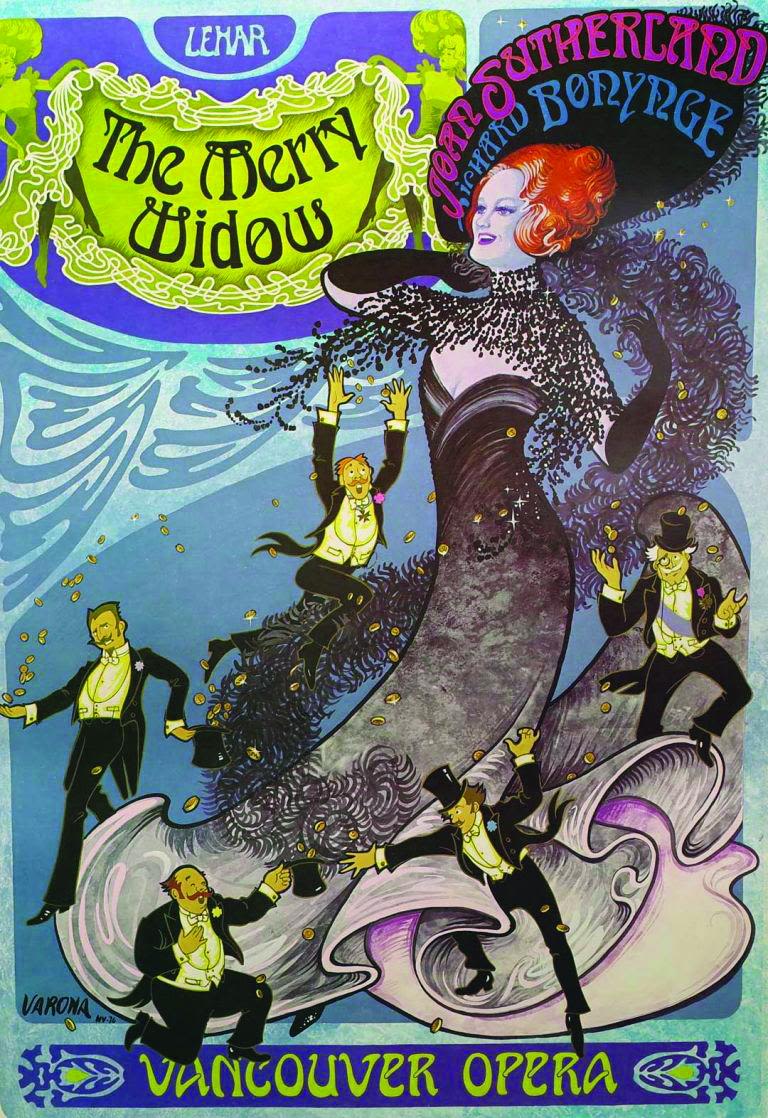
Joan Sutherland made her debut in the role of Anna Glawari in The Merry Widow for the Vancouver Opera in 1976.
Her Act One costume was, as for Lucrezia Borgia, designed by José Varona and made by Barbara Matera.
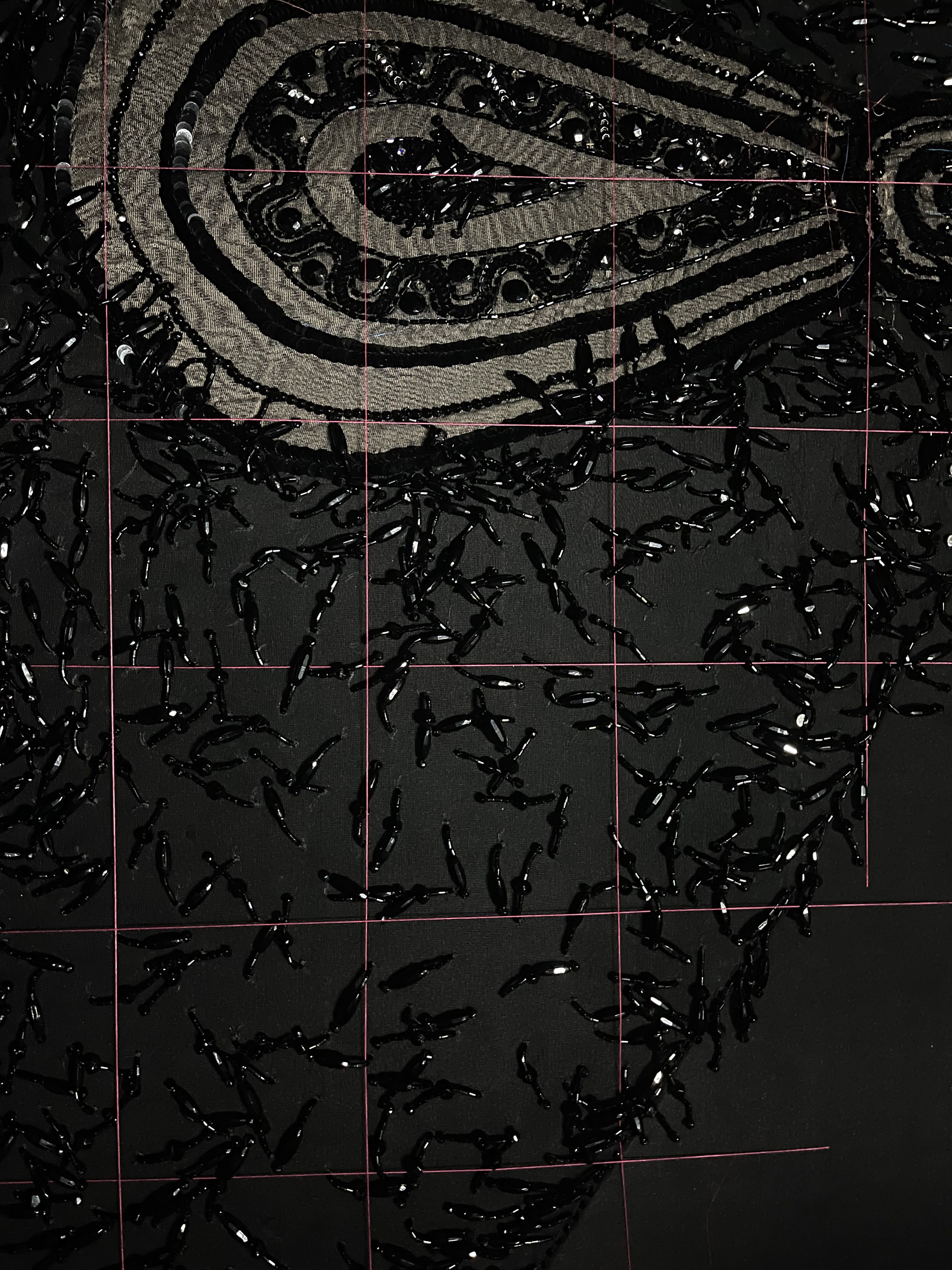
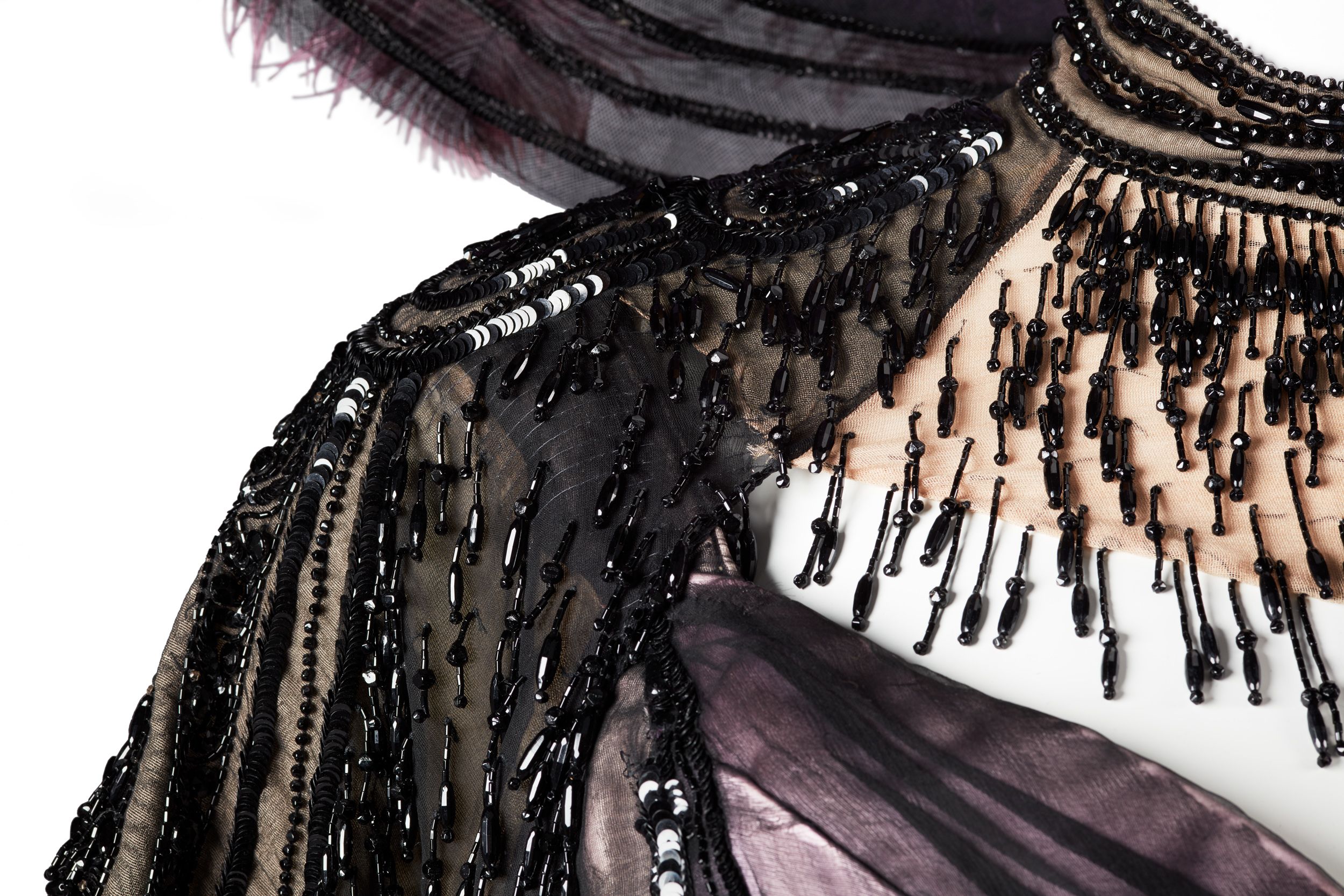
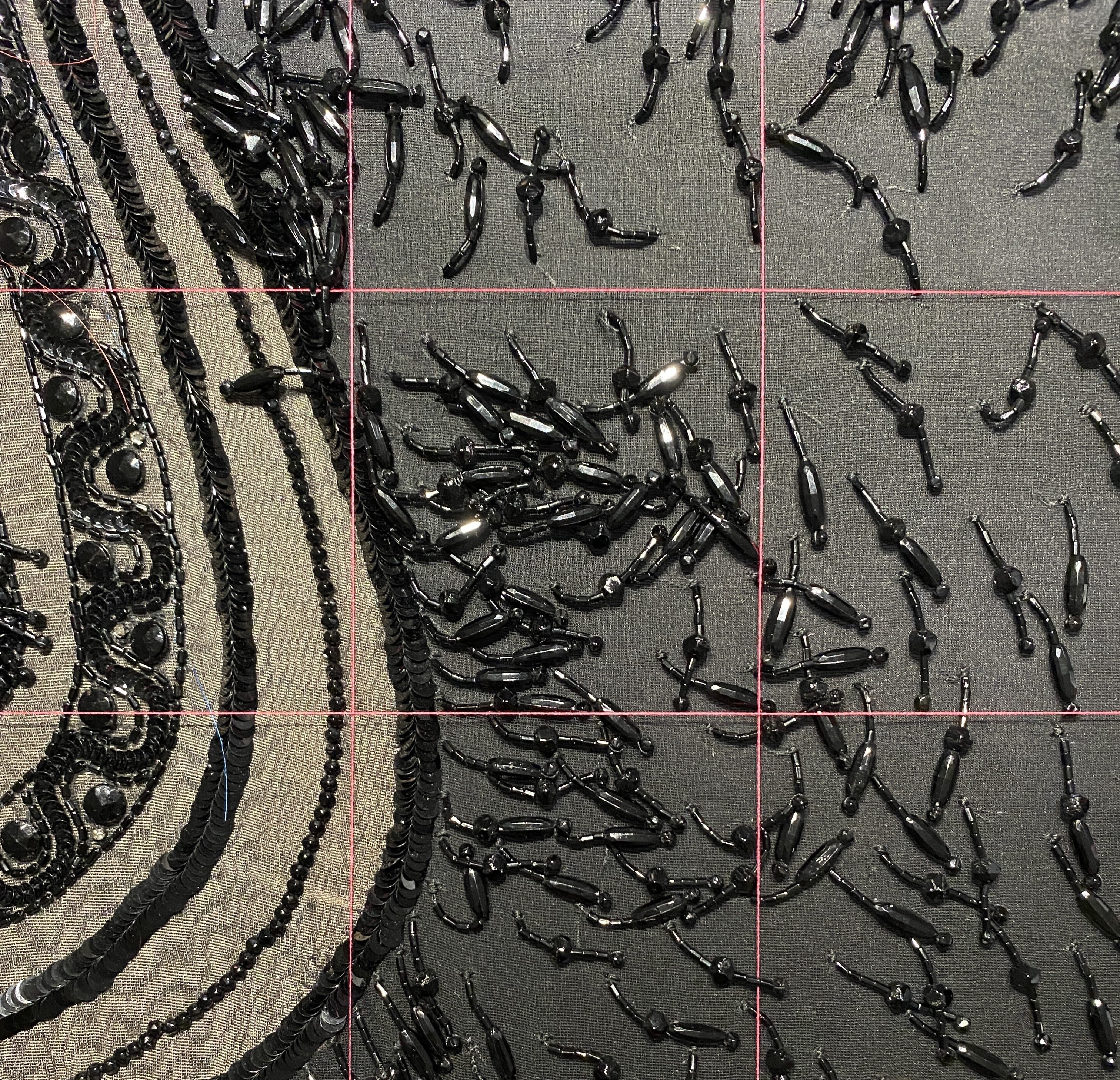
The sleeves of the Merry Widow dress showed significant deterioration due to the fragility of the aged sheer black fabric and the weight of the imitation-jet glass beading.
The next intern, Portia Lawson, removed the sleeves and sewed them onto a new silk organza support fabric, anchoring each individual beaded tassel to the new fabric to re-distribute the weight and strain.
Each sleeve took about 120 hours to complete.


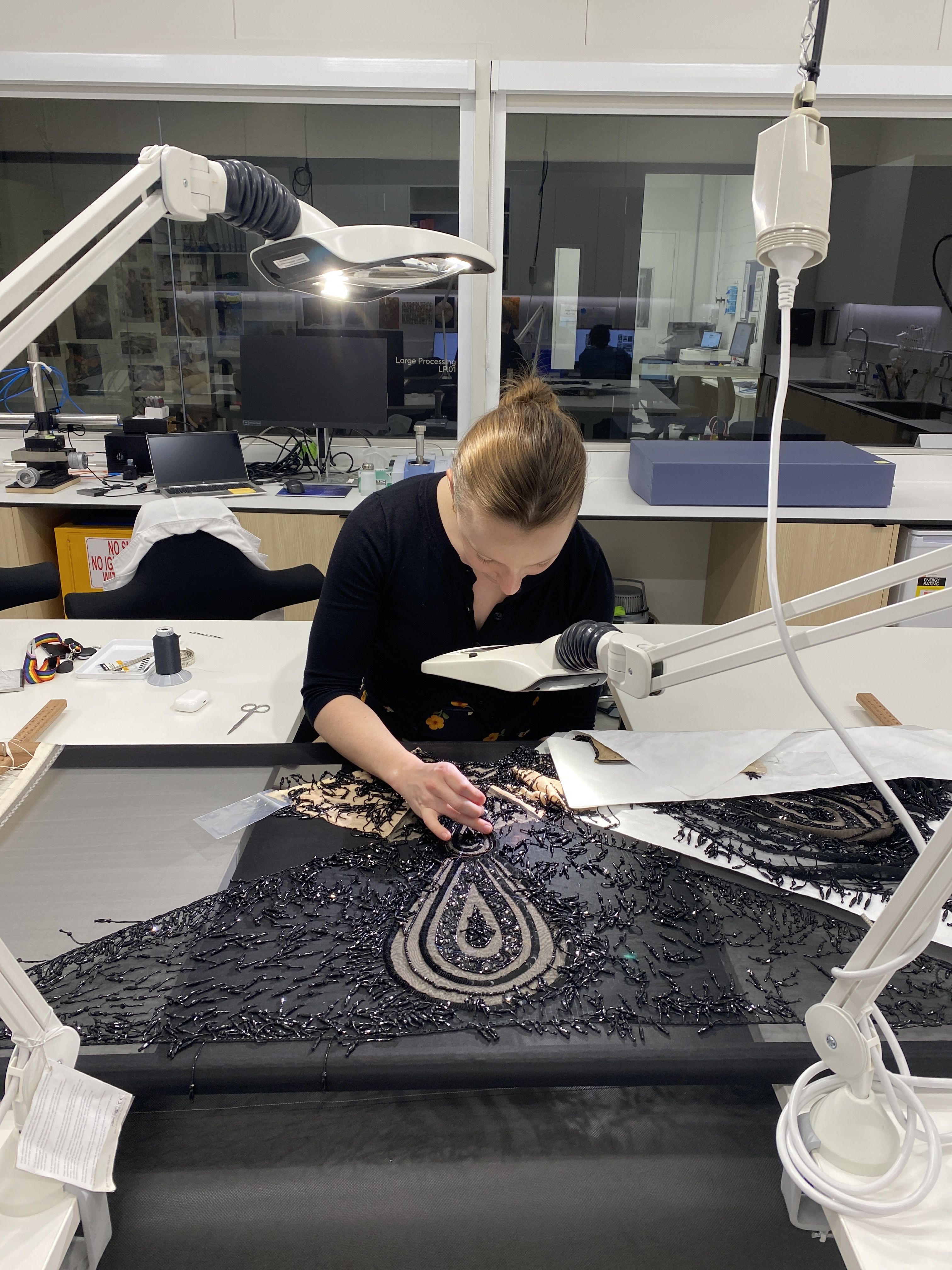
“The Barbara van Ernst Internship has offered an invaluable opportunity to focus on a discrete object-based project from start to finish, providing time for research, technique exploration and tacit learning to improve my skills and confidence.
Not only has this been an incredible learning experience, but it has firmly solidified my desire to pursue a career as a textiles conservator.”
Portia Lawson

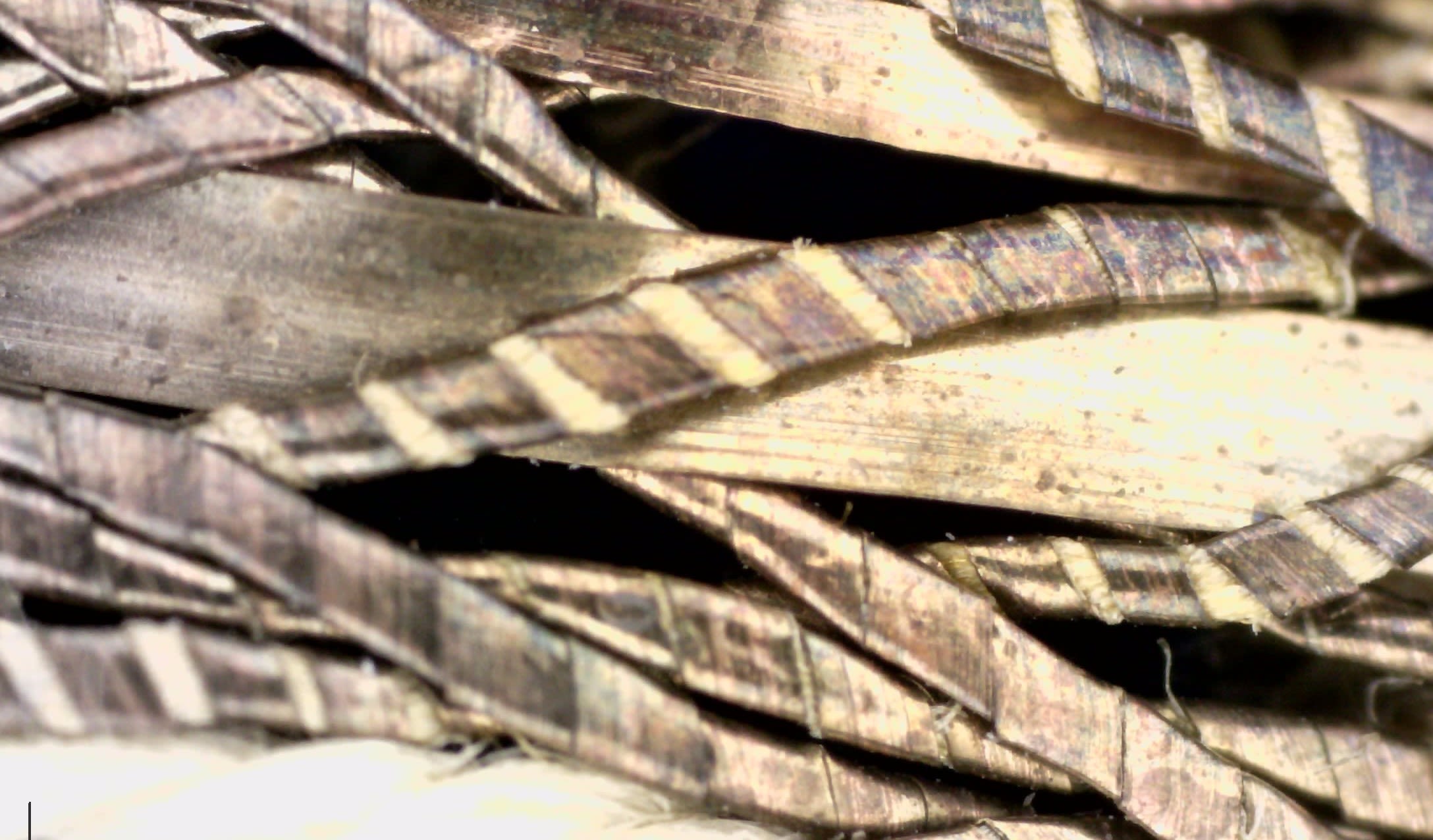


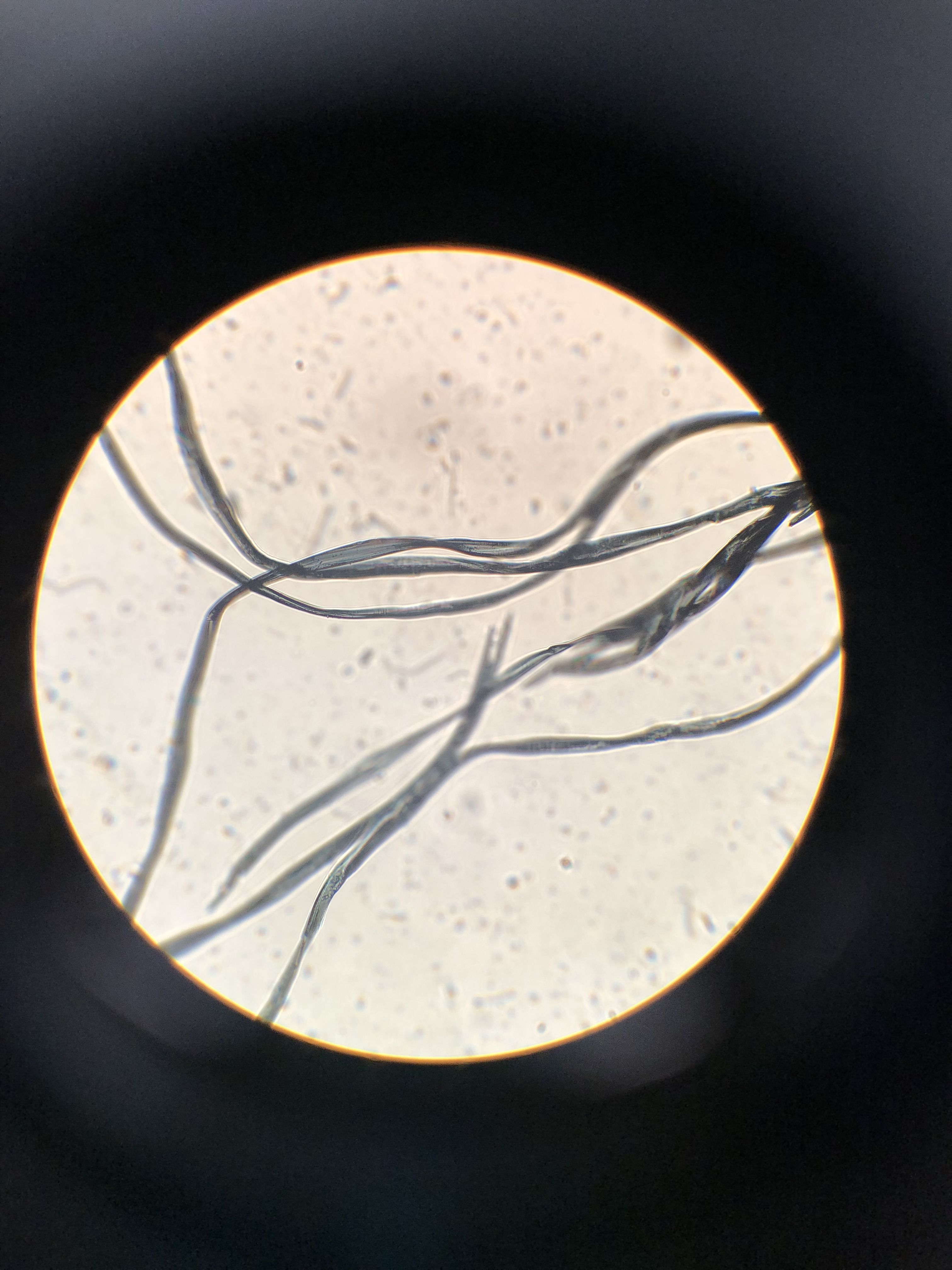
Metal thread trim from Lucrezia Borgia costume viewed under magnification
Image by Gemma Ghoukassian
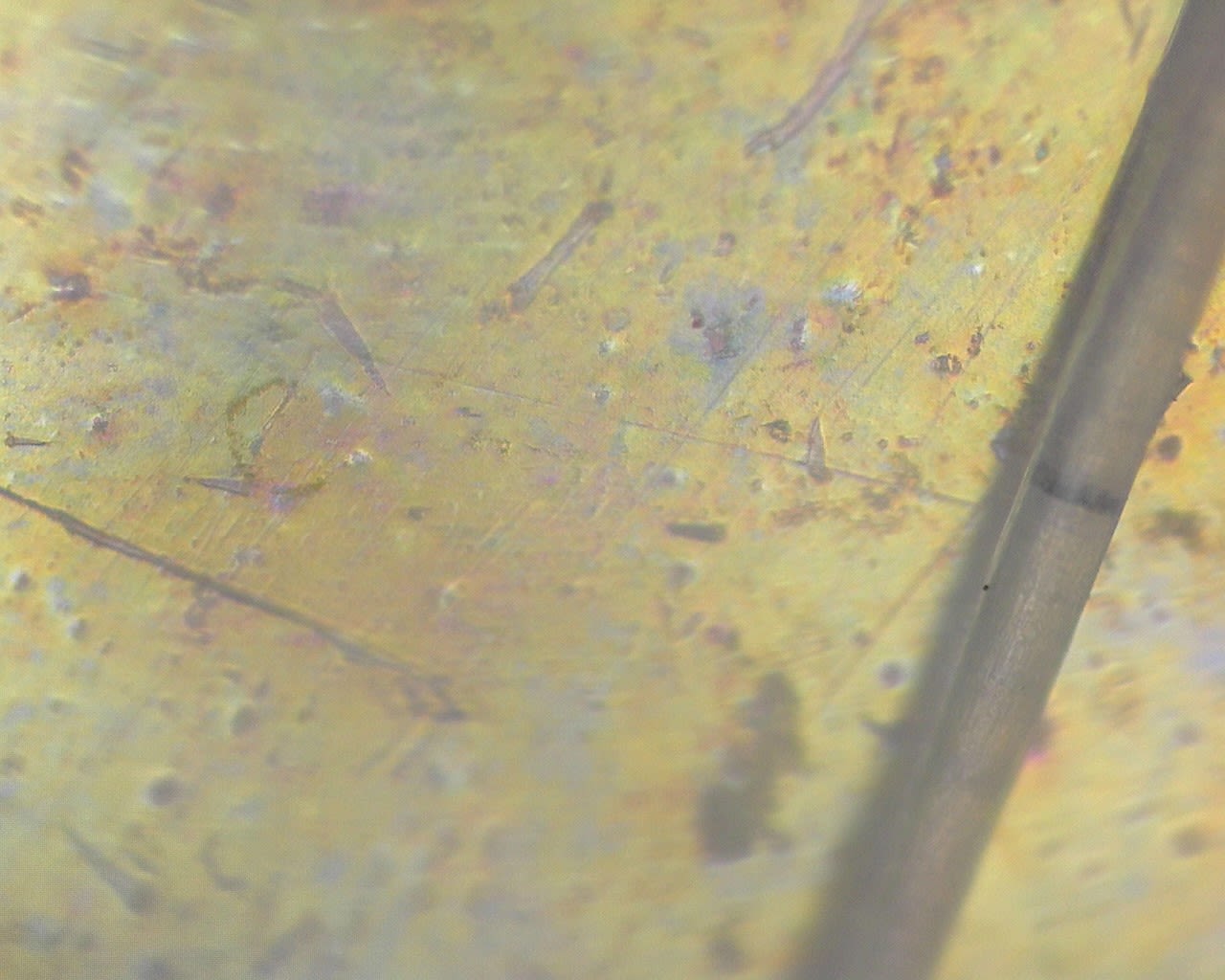
Sequin from La Traviata costume viewed under magnification
Image by Marion Parker
Silk fibres from sleeve of The Merry Widow costume viewed under magnification
Image by Portia Lawson
Credits
Story by Bronwyn Cosgrove, Senior Conservator, and Ian Jackson, Curator, Opera and Dance, Australian Performing Arts Collection
The Australian Performing Arts Collection extends its heartfelt thanks to Barbara van Ernst for her generous support of emerging conservators. We also acknowledge the invaluable contributions of Marion Parker, Gemma Ghoukassian, and Portia Lawson for their unwavering dedication to the preservation of Sutherland's costumes.
Thanks also to Margot Anderson, Head of Curatorial, Australian Performing Arts Collection; and Trevor Dean, Philanthropy Executive, Private Giving, Arts Centre Melbourne.
Costume photography by Narelle Wilson
Dame Joan Sutherland's costumes from Lucrezia Borgia and The Merry Widow are now on display in the Smorgon Family Plaza, Theatres Building, Arts Centre Melbourne
Items from the Australian Performing Arts Collection, Arts Centre Melbourne

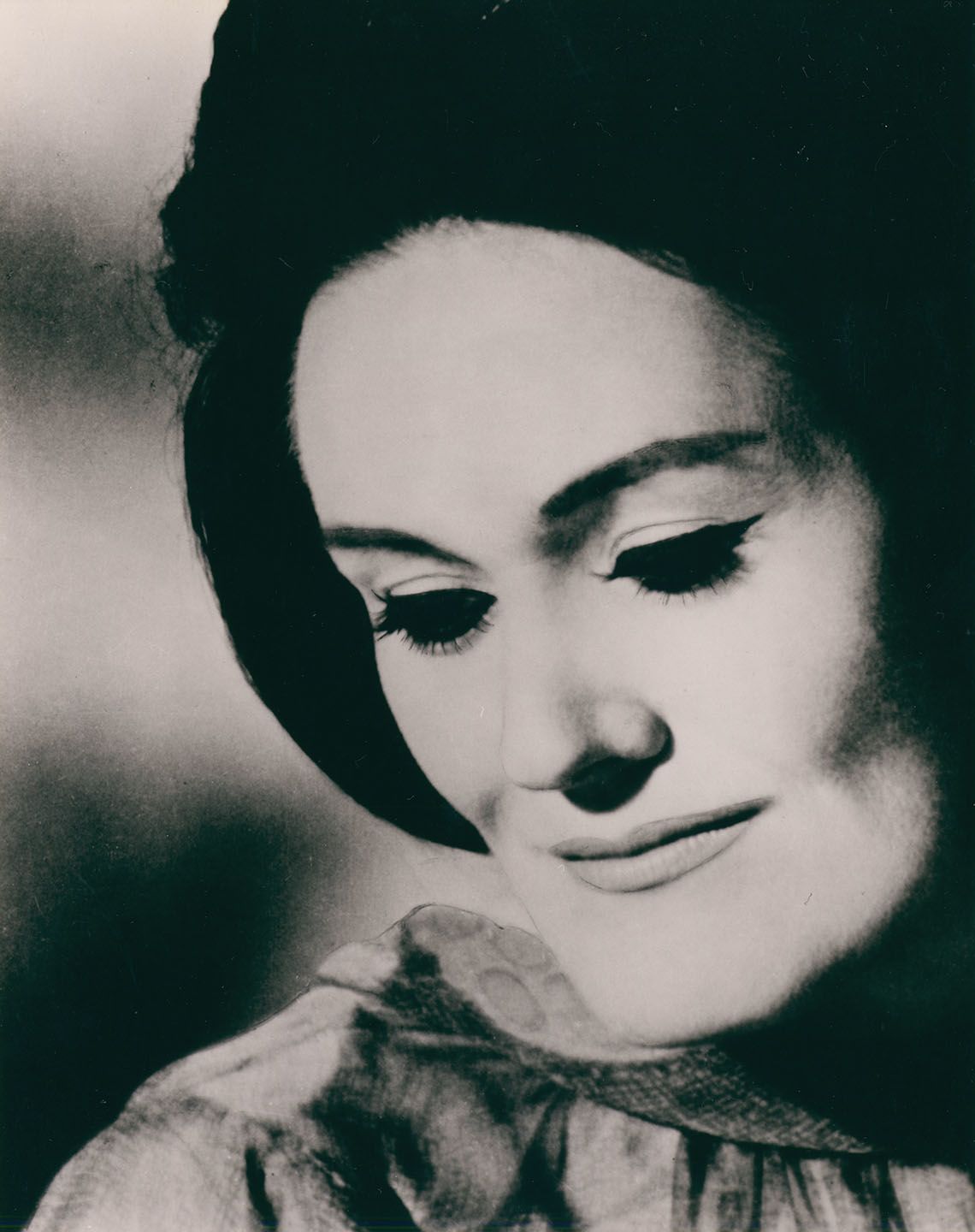
Photograph of Joan Sutherland, 1978
Photographer unknown
Gift of John Cargher, Australian National Memorial Theatre, 1978

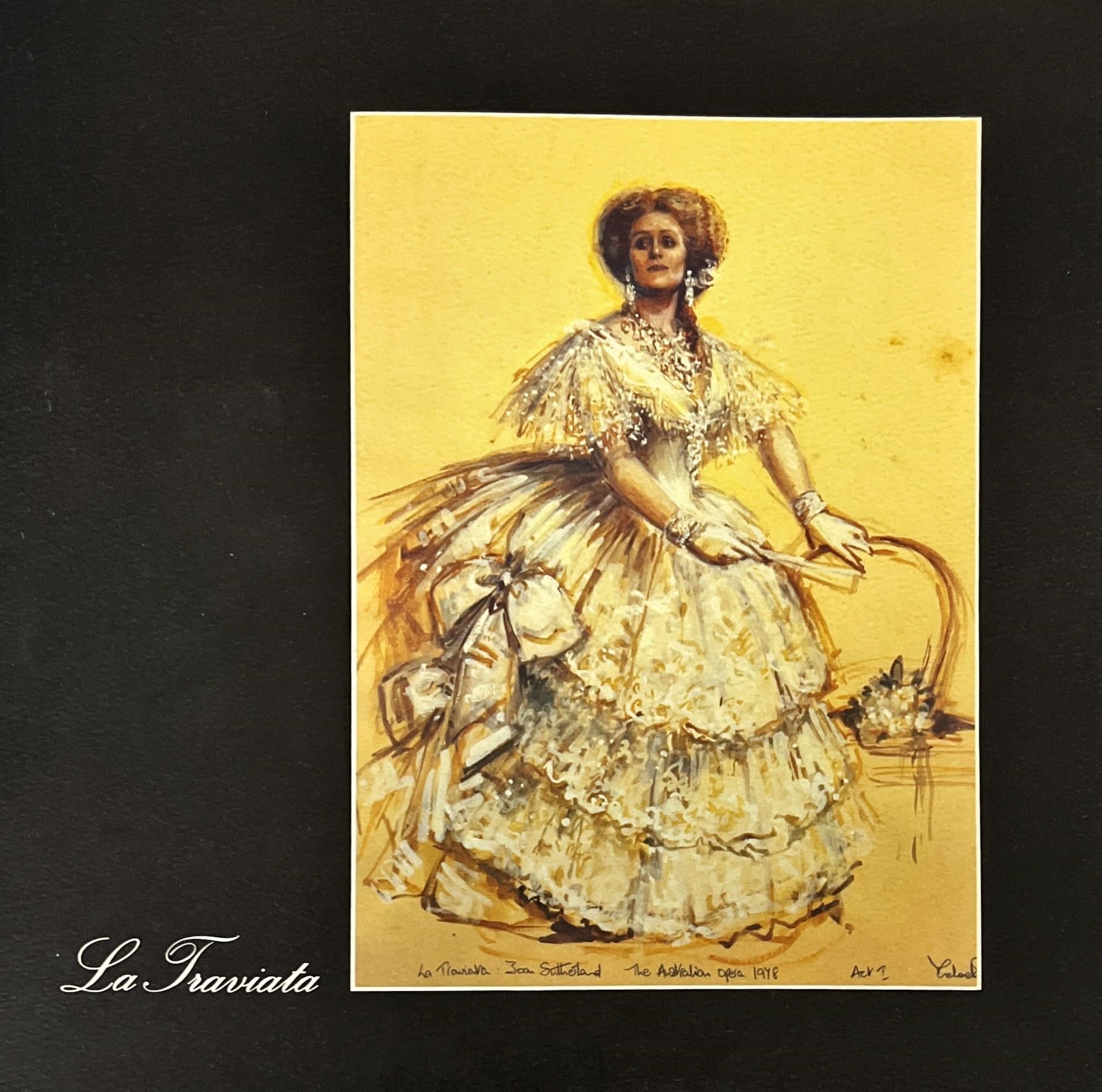
Programme for La Traviata, with costume design by Michael Stennett on cover, The Australian Opera, 1979

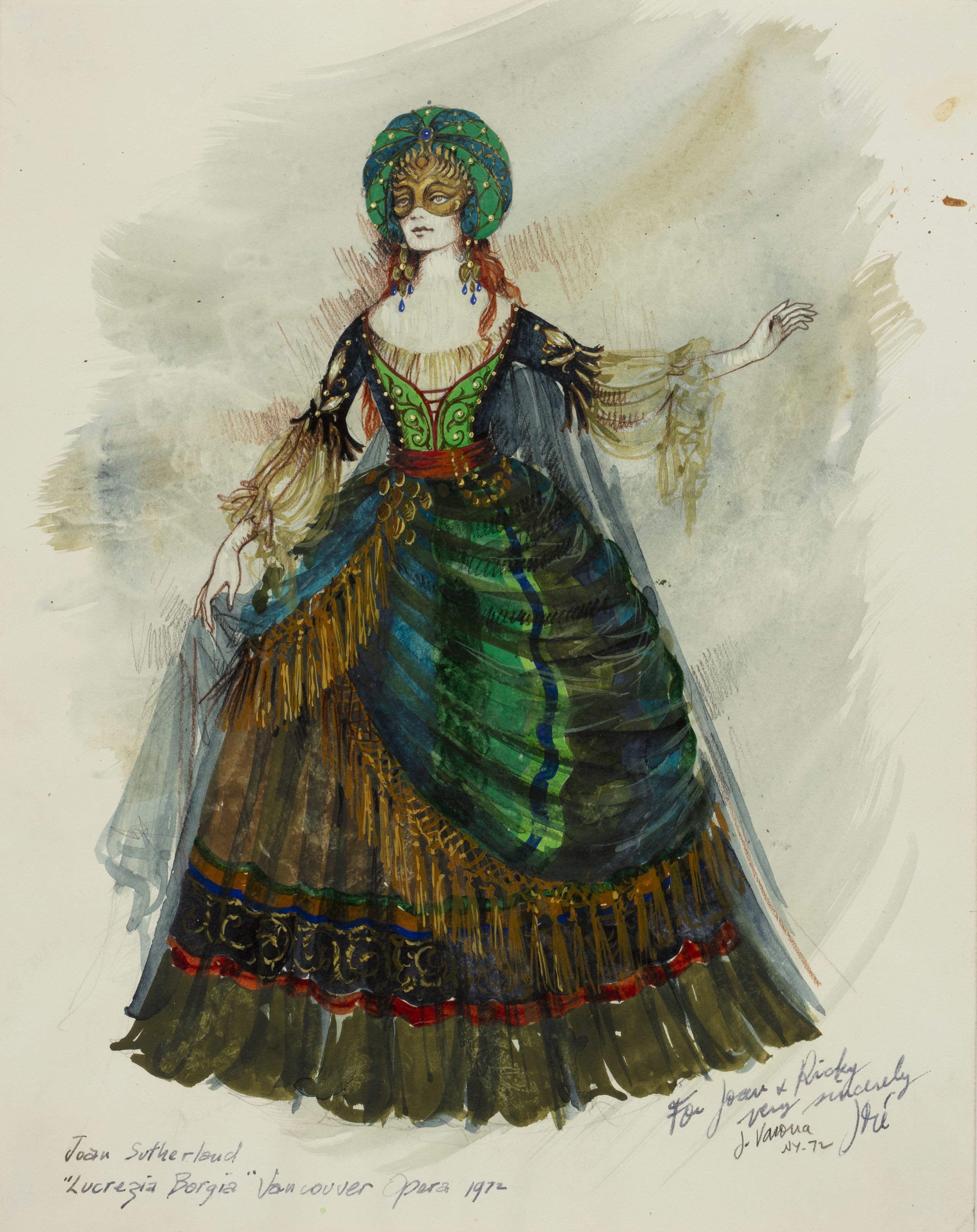
Costume design by José Varona for Joan Sutherland as the title role of Lucrezia Borgia, Vancouver Opera, 1972
Gift of Richard Bonynge AC CBE, 2024
Image credit

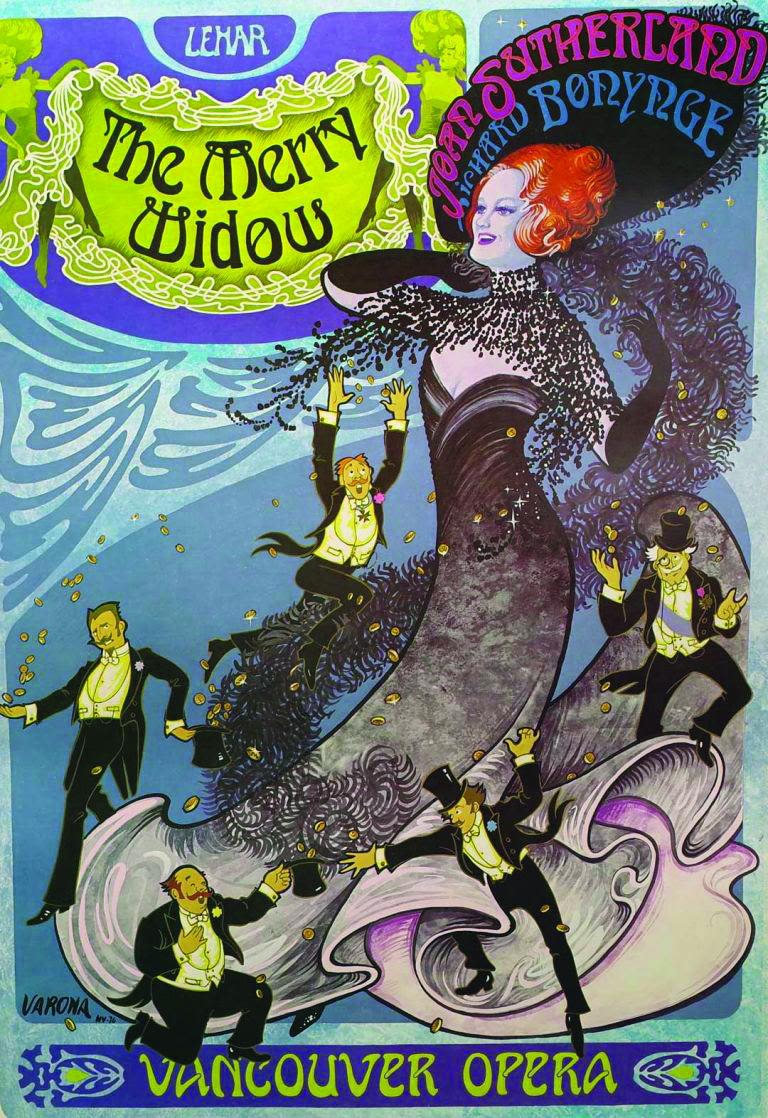
Poster for The Merry Widow, Vancouver Opera, 1976
Poster designed by José Varona
Courtesy of Vancouver Opera
Image source: La Scena International
Costumes from the Australian Performing Arts Collection, Arts Centre Melbourne

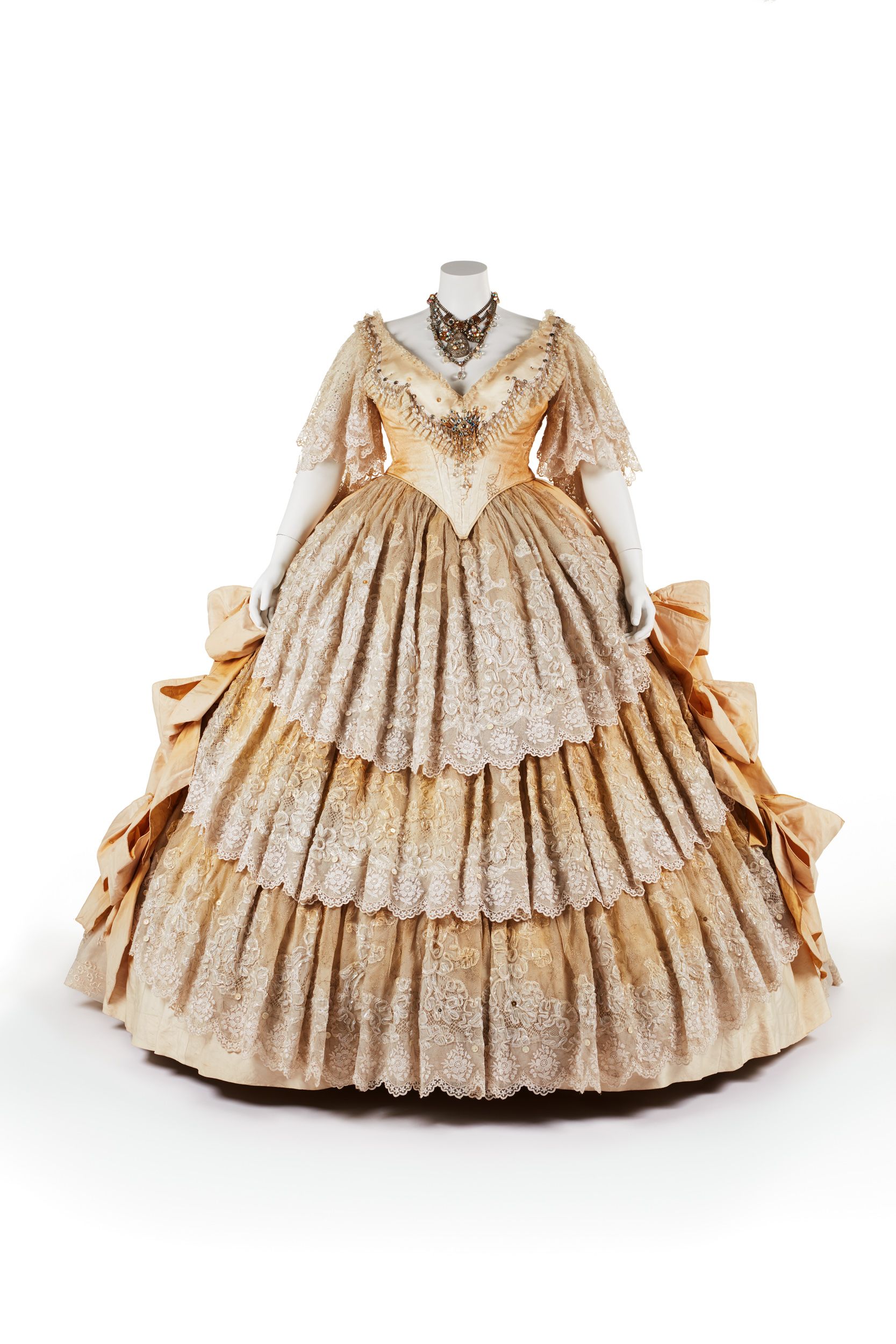
Costume worn by Joan Sutherland as Violetta, La Traviata, The Australian Opera, 1979
Designed by Michael Stennett
Realised by Barbara Matera
Conserved by Marion Parker
Gift of Opera Australia, 2019

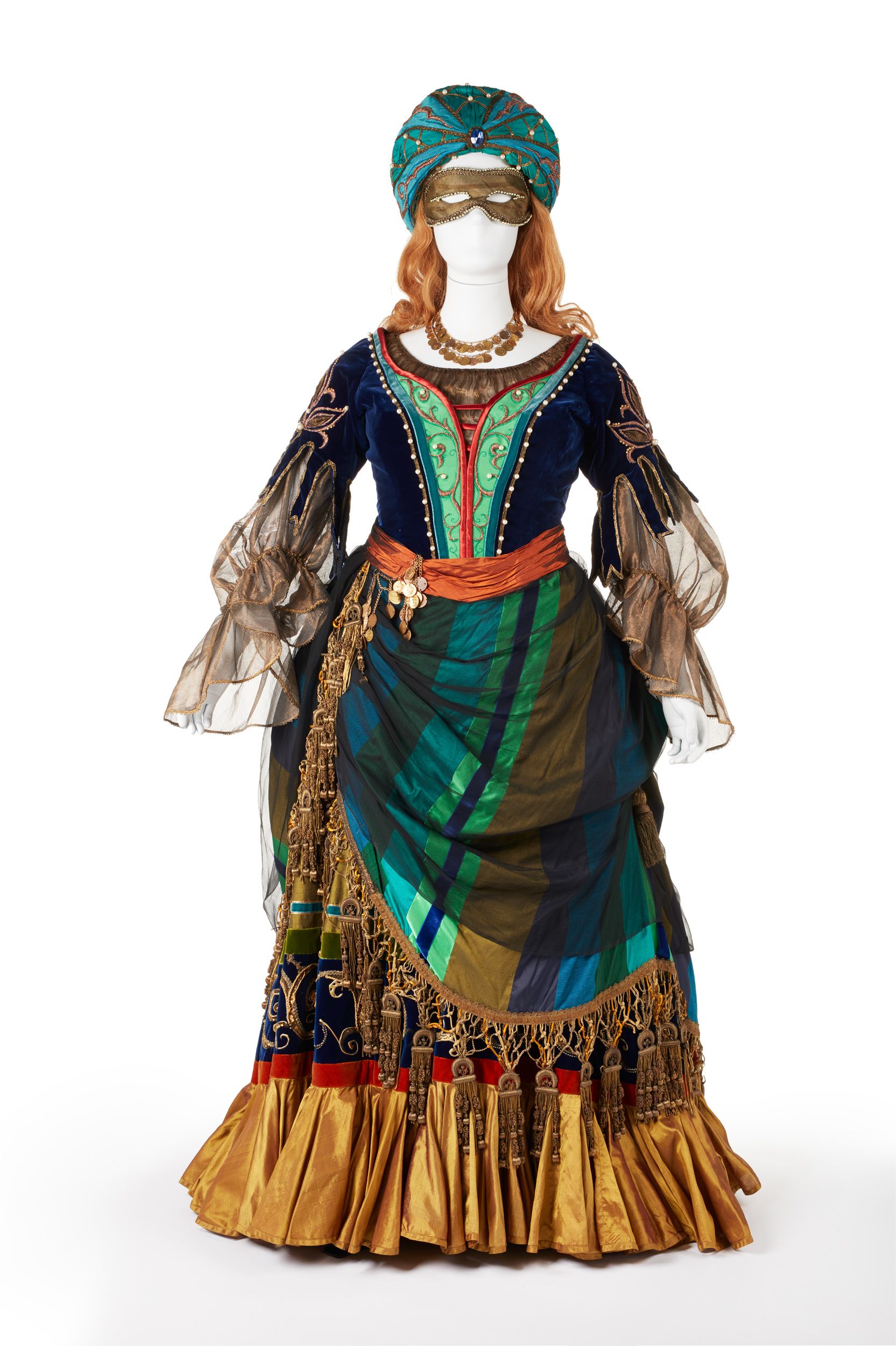
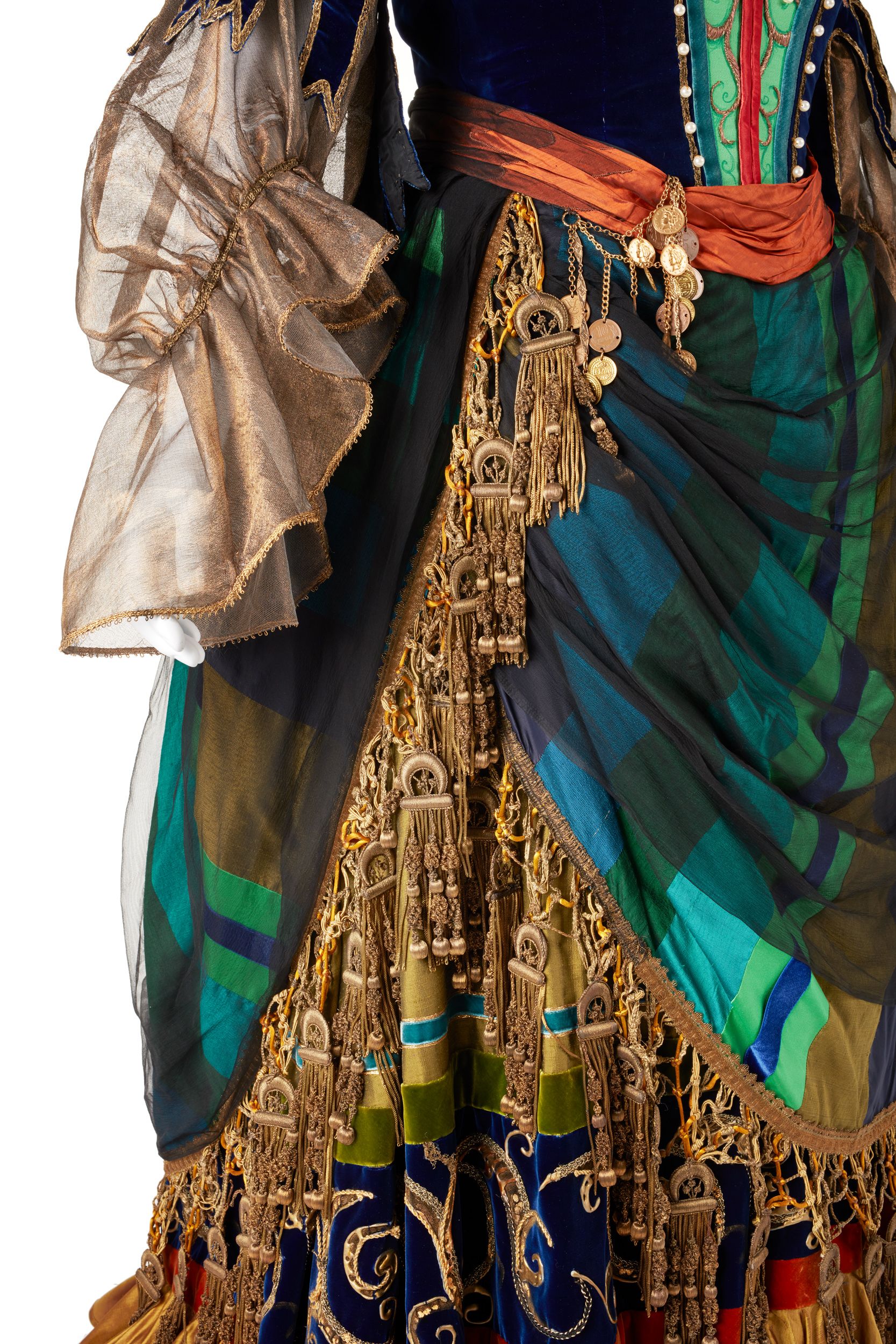
Costume worn by Joan Sutherland as the title role, Lucrezia Borgia, Vancouver Opera, 1972
Designed by José Varona
Realised by Barbara Matera
Conserved by Gemma Ghoukassian
Gift of Opera Australia, 2019
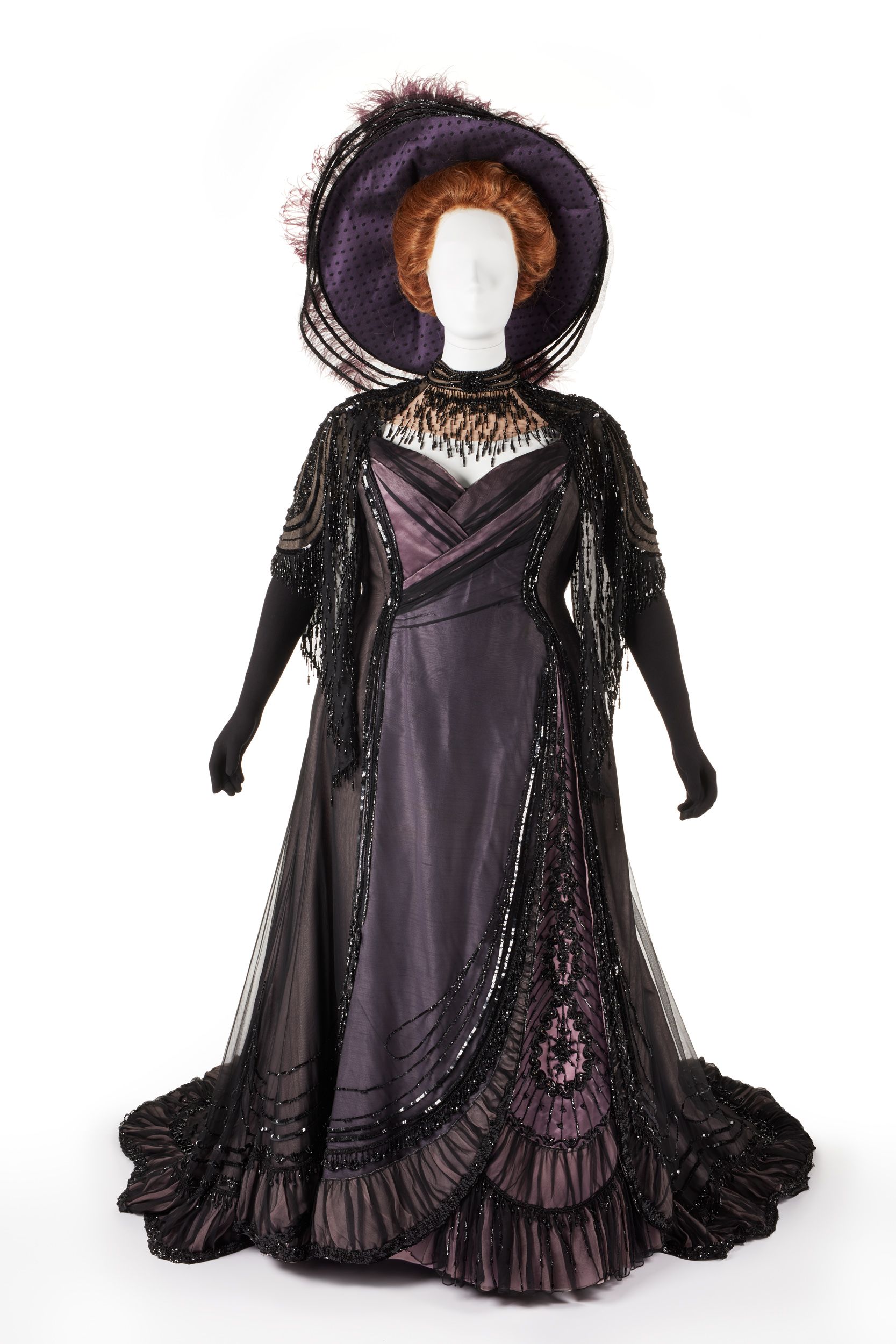
Costume worn by Joan Sutherland as Anna Glawari, The Merry Widow, Vancouver Opera, 1976
Designed by José Varona
Realised by Barbara Matera
Conserved by Portia Lawson
Gift of Opera Australia, 2019

 Built with Shorthand